The Secret Life of Merlot: Why It Thrives in Bordeaux’s Clay Soils
Bordeaux is world‑famous for its wines, and on the right bank of the Gironde, Merlot has emerged as the dominant grape. Its success here is rooted in the region’s clay‑rich soils, its maritime climate, and centuries of winemaking tradition. This article explains why Merlot flourishes in Bordeaux’s clay soils, how that influences the wines you taste, and how you can experience these vineyards firsthand on a guided tour.
What Makes Clay Soils Ideal for Merlot
Clay soils are dense and retain moisture more effectively than gravel or sandy soils. That means during dry spells, vines still have access to water, supporting steady growth and even ripening of the grapes. Clay also warms slowly throughout the day, giving Merlot the conditions needed to develop balanced tannins, rich colour, and concentration of flavour.
In Saint‑Émilion and nearby appellations, clay mixed with limestone fosters deeper root systems. These roots draw minerals and nutrients that enhance complexity and structure in the finished wine.
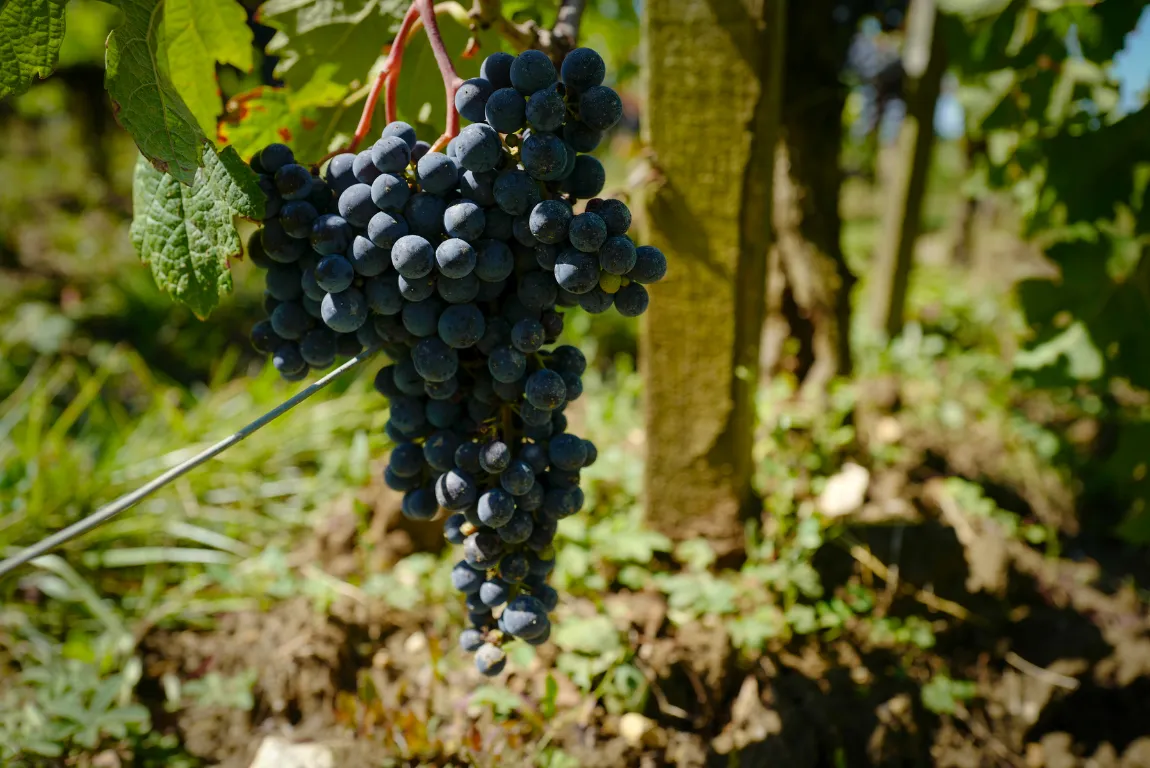
The Right Bank Advantage: Merlot’s Home
Unlike Bordeaux’s left bank where Cabernet Sauvignon dominates on gravel soils, the right bank’s clay and limestone slopes suit Merlot’s earlier ripening cycle. The soils moderate water stress and heat, allowing Merlot to achieve ripe fruit character while retaining freshness and finesse.
These conditions lead to wines that are softer and more approachable in youth, but with the capacity to mature gracefully over time. Saint‑Émilion, Pomerol, and surrounding estates showcase the plush, velvety profile that clay‑grown Merlot can achieve.
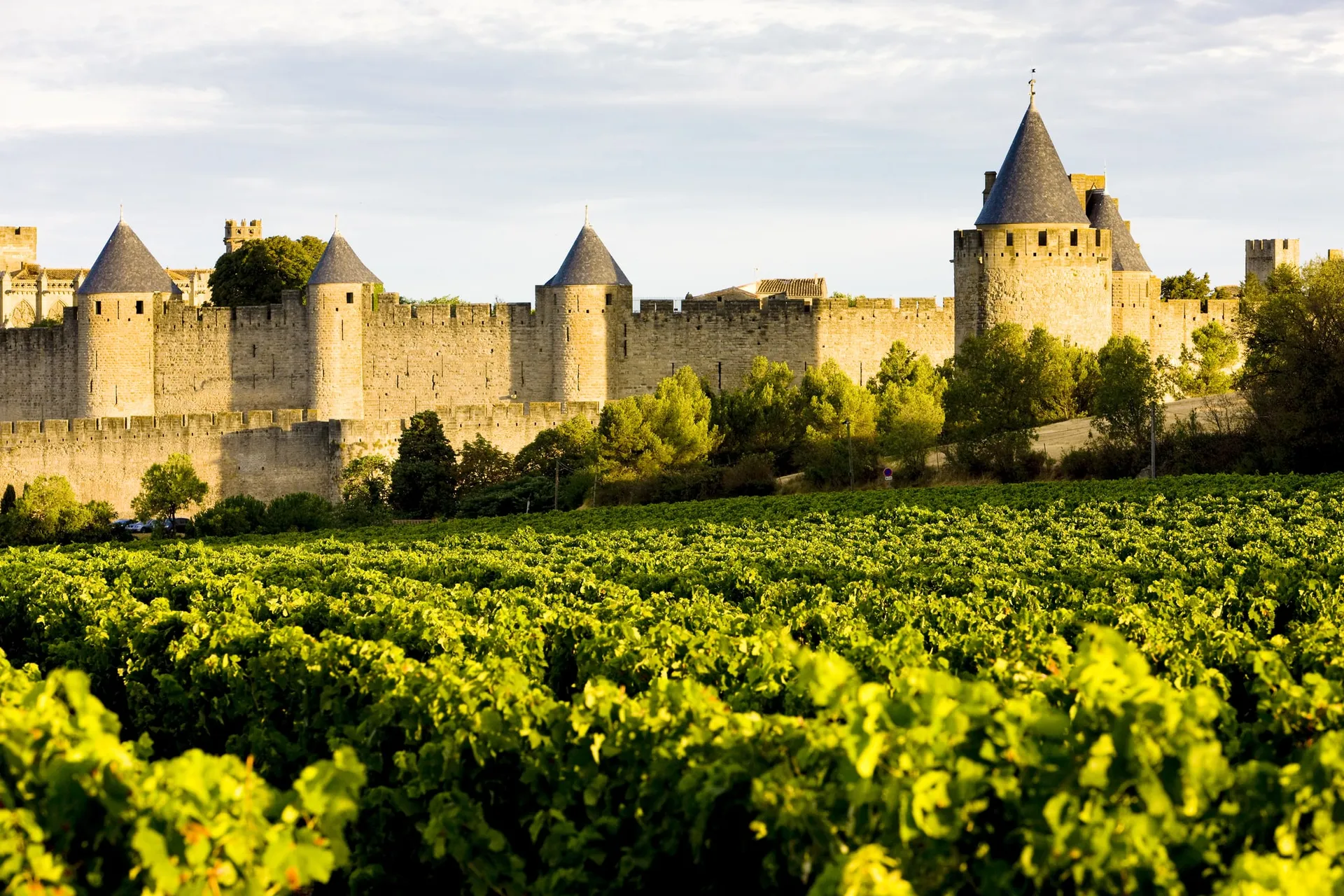
Explore right bank terroir on our Saint‑Émilion Wine Tour by Electric Bike with lunch included. (Bordeaux Wine Pilgrim)
Clay Soil and the Age of Vines
Vine age plays a crucial role in wine character. Older Merlot vines, often 30–50 years old, send roots deeper into clay and limestone layers, accessing stable moisture and trace minerals. This results in grapes with concentrated flavours and complexity that younger vines struggle to match.
Older vines also tend to produce smaller berries with a higher skin‑to‑juice ratio, contributing to richer colour and more structured tannins — desirable traits in many right bank Bordeaux wines.
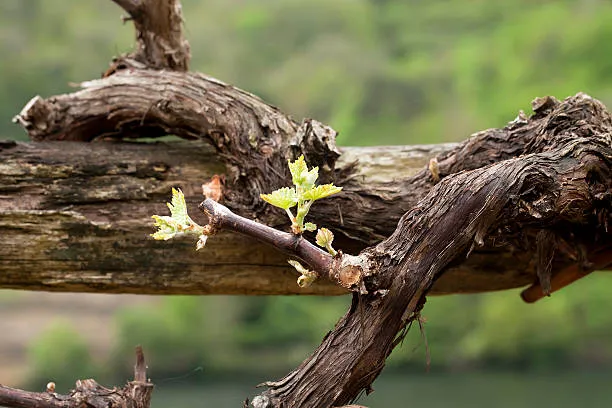
Bordeaux’s Maritime Climate and Vineyard Practices
Bordeaux’s climate, influenced by the Atlantic Ocean, delivers mild winters and warm summers, with rainfall spread throughout the year. In clay soils, this consistent moisture supports vine health, reducing heat stress and helping preserve aromatic freshness in Merlot.
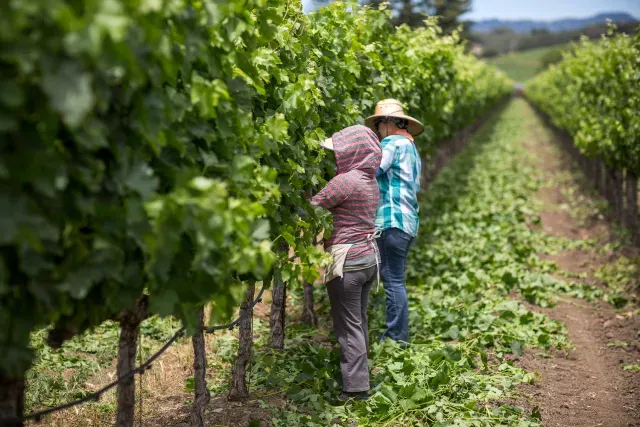
Local winemakers balance tradition and careful vineyard management to bring out the best in Merlot. Techniques like canopy trimming, green harvests, and precise picking ensure grapes are harvested at ideal ripeness.
How Clay Soils Shape Tasting Characteristics
Merlot grown on clay soils typically expresses:
-
Plush, velvety texture on the palate
-
Ripe red and black fruit flavours, including plum and dark cherry
-
Soft, integrated tannins
-
Balanced acidity with a lingering finish
These characteristics make right bank Merlot wines appealing both in their youth and after years in bottle.
Experience Clay‑Grown Merlot in Bordeaux
Rather than reading about it, you can experience these vineyards up close. Bordeaux Wine Pilgrim specialises in tours that bring right bank terroir and winemaking to life. Options include:
-
Saint‑Émilion Half Day Ebike and Wine Tour with Picnic — pedal through rolling vineyards, visit estates, and enjoy a picnic amid vines while tasting local wines. (Bordeaux Wine Pilgrim)
-
Saint‑Émilion Wine Tour by Electric Bike with lunch included — explore iconic châteaux by e‑bike, learn about terroir and winemaking, and savour signature wines with a fresh local lunch. (Bordeaux Wine Pilgrim)
These tours are designed for wine lovers who want context, history, and sensory engagement with Bordeaux’s vineyards.
Your photo here: Group tasting during an e‑bike tour.
Why Merlot from Clay Soils Matters
Merlot thrives in Bordeaux’s clay soils because these soils:
-
Retain moisture to support consistent ripening
-
Offer thermal moderation for balanced grape maturity
-
Encourage deep root systems that enhance complexity
-
Allow wines that are approachable but age‑worthy
Experiencing these vineyards adds depth to your appreciation of Bordeaux wines and helps you taste the influence of terroir directly.
Your photo here: Bottles of Saint‑Émilion Merlot set against vineyard backdrop.
Curious about how Bordeaux’s climate is changing and affecting Merlot and other varietals? Learn more about the shifting harvests and their impact on wine quality on our blog: Why Bordeaux Harvest Dates Are Moving Earlier Each Decade.
Book your Bordeaux wine tour today to see the vineyards in action and taste the results of decades of viticultural evolution.
Book Your Bordeaux Wine Experience
Discover why Merlot from clay soils is central to Bordeaux’s identity with a guided wine tour. Book one of our signature Saint‑Émilion e‑bike wine tours to explore the vineyards, meet the terroir, and taste extraordinary wines with expert guides.
