Who Was Saint Émilion? The Man Behind Bordeaux’s Most Famous Wine Name
The name Saint Émilion is among the most recognised in the Bordeaux wine region, yet the figure behind it remains surprisingly obscure. For many wine lovers, the name signifies limestone soils, Merlot-driven wines, and global prestige. Rarely does it prompt a deeper question: who was Saint Émilion himself, and why did his name endure?
Understanding who Saint Émilion was is not an exercise in folklore. It is a way to understand how religion, land ownership, and early settlement patterns shaped one of Bordeaux’s most distinctive wine systems. Saint Émilion did not create wine styles, but he influenced the conditions under which wine culture took root — and those conditions still shape how the region functions today.
For wine travellers seeking to ground their understanding of the Right Bank early, experiencing the area through a Saint Emilion Wine Tour provides a clear reference point — allowing history, geography, and wine to align rather than exist as separate narratives.
Separating the Man from the Myth
Saint Émilion was not a winemaker, nor a vineyard owner in the modern sense. He was a monk — a religious figure whose life predated formal appellations, classifications, and even Bordeaux’s emergence as a major wine trade hub.
Born in Brittany in the 8th century, Émilion travelled south in search of religious solitude. He eventually settled in the limestone hills east of what is now Bordeaux, living as a hermit before attracting followers. His reputation grew not through power, but through asceticism and spiritual authority.
After his death, the site of his hermitage became a place of pilgrimage. Over time, a community formed around it. Land was cleared. Agriculture expanded. Vineyards followed.
This sequence matters. Wine did not precede settlement here. Settlement created the conditions for wine.
Why Religious Settlement Shaped Land Use
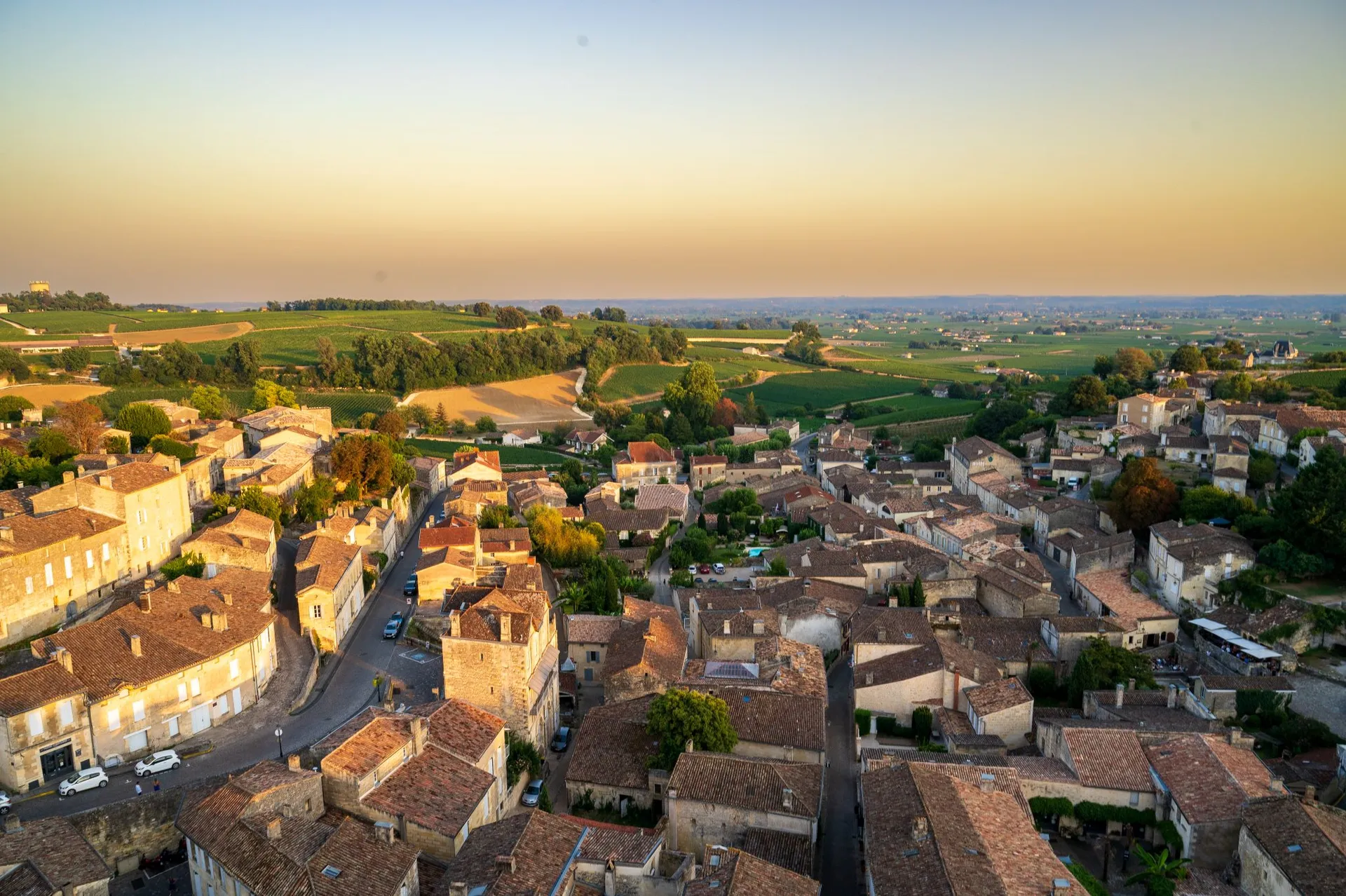
In medieval Europe, religious institutions were among the most stable landholders. Monasteries did not think in decades, but in centuries. Their priorities were continuity, productivity, and stewardship.
When religious communities settled around Saint Émilion’s hermitage, they organised land deliberately. Vineyards were planted on slopes that drained well. Cellars were carved into limestone. Agricultural activity followed structured rhythms.
This early organisation created a lasting framework. Even as religious authority waned, the land-use patterns remained. Parcels stayed small. Boundaries endured. The relationship between limestone, slope, and viticulture became embedded.
This is why Saint-Émilion wine feels so distinct within Bordeaux. Its identity is tied not only to soil, but to how land was historically managed.
Limestone, Shelter, and Early Viticulture
The limestone plateau around Saint-Émilion offered more than fertile ground. It offered shelter.
Caves provided storage. Temperature remained stable. Wine could be kept safely long before modern cellars existed. This practical advantage encouraged early viticulture and reinforced the area’s agricultural viability.
Over centuries, this geological feature became inseparable from the region’s wine identity. Limestone did not just shape flavour. It shaped habit — how wine was made, stored, and valued.
For wine lovers, this explains why Saint-Émilion wines often emphasise texture and balance rather than sheer power. The land rewarded moderation long before markets demanded it.
From Religious Centre to Wine Identity
As Bordeaux’s wine trade expanded, areas with established agriculture adapted fastest. Saint-Émilion’s early organisation gave it an advantage.
While the Left Bank developed through trade and export logic, Saint-Émilion evolved through land continuity and internal coherence. Its wines were not initially dominant in global markets, but they were consistent and recognisable.
Over time, this coherence translated into reputation. By the modern era, Saint-Émilion had become a symbolic counterweight to Left Bank structure — offering richness, approachability, and texture.
This duality defines Bordeaux today.
Why Saint Émilion Became a Name, Not Just a Place
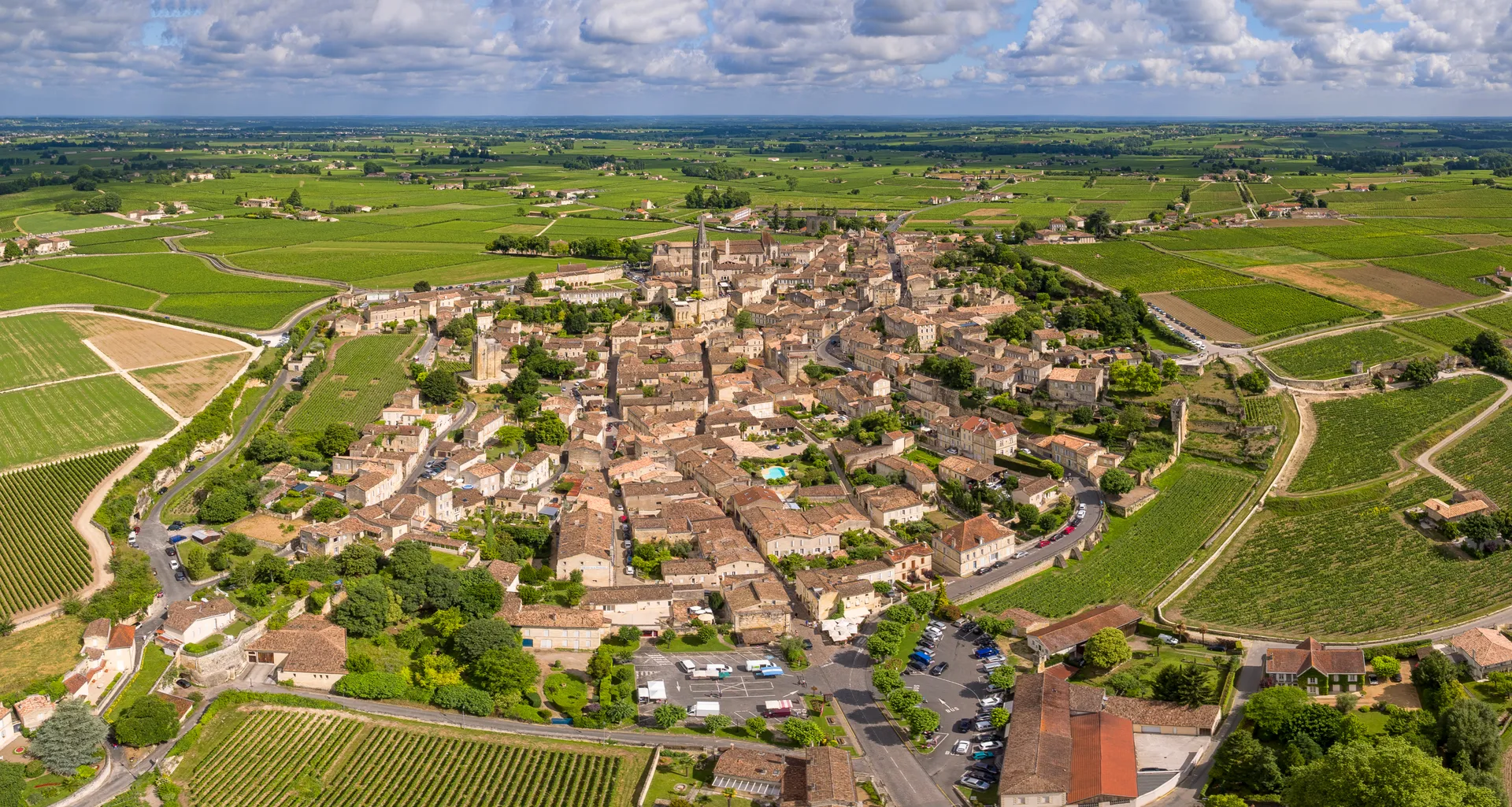
Many wine regions developed strong identities without attaching themselves to individuals. Saint-Émilion is different because the name carried moral authority before it carried commercial value.
Saints were remembered. Their names endured. Attaching a place to a saint anchored it in memory long before branding existed. When wine later became the region’s defining product, the name was already established.
This is why Saint-Émilion feels less like a constructed appellation and more like a continuation of history.
The Long Shadow of Early Structure
The most important legacy of Saint Émilion is not symbolic — it is structural.
Small parcels, limestone reliance, and emphasis on balance all stem from early land organisation. Even modern classification systems reflect this inheritance, rewarding continuity and typicity rather than reinvention.
This is why Saint-Émilion resists homogenisation. While styles evolve, the underlying framework remains intact.
Understanding this history clarifies why Saint-Émilion wines behave differently from other Bordeaux wines, even when grape varieties overlap.
How Saint Émilion’s Legacy Shaped Modern Classification
Saint-Émilion’s modern identity did not emerge suddenly with classification systems; it evolved from centuries of continuity. Unlike the Left Bank, where hierarchy grew out of trade pricing and merchant influence, Saint-Émilion’s structure grew out of land persistence.
Small parcels, inherited over generations, preserved stylistic diversity within a tight geographic area. When formal classification eventually arrived, it did not impose order so much as codify what already existed. The system rewarded consistency, typicity, and long-term stewardship rather than scale.
This distinction explains why Saint-Émilion’s classification feels more fluid and periodically revised. It reflects an inherited landscape that resists rigidity. The classification follows the land, not the other way around.
Why Saint-Émilion Developed Differently From the Left Bank
The divergence between Saint-Émilion and the Left Bank is not a stylistic accident; it is a historical inevitability.
The Left Bank was shaped by export. Gravel soils, Cabernet Sauvignon, and long ageing suited wines are destined for distant markets. Saint-Émilion was shaped by settlement. Limestone, shelter, and proximity encouraged local continuity before global ambition.
As a result, Saint-Émilion wines prioritised texture, mid-palate balance, and approachability earlier in their life — a style closely tied to Merlot’s role in the region, explored further in the secret life of Merlot. This did not make them simpler. It made them intimate.
Understanding this difference reframes comparison. Saint-Émilion is not a softer version of the Left Bank. It is a parallel expression born of a different historical logic.
The Role of Limestone Beyond Flavour
Limestone is often discussed in terms of taste — minerality, freshness, tension. In Saint-Émilion, its impact runs deeper.
Limestone enabled storage, stability, and early wine preservation. It allowed wine to be kept safely in caves long before controlled cellars existed. This practical advantage encouraged consistency and confidence in production.
Over time, these habits shaped style. Wines were built to be balanced and stable rather than forceful. Even today, this legacy influences extraction choices and blending decisions.
The result is a wine identity shaped as much by practice as by soil.
How History Still Shapes the Tasting Experience Today
When tasting Saint-Émilion wines today, their history is present in subtle ways. Parcels remain small. Differences appear from one slope to the next. Wines often prioritise harmony over spectacle.
For wine lovers, this explains why Saint-Émilion rewards attention rather than speed. Its wines are legible when tasted comparatively, revealing nuance through repetition.
This is not accidental. It is the continuation of a system designed for continuity rather than conquest.
Saint Émilion as a Cultural Anchor in Bordeaux Wine
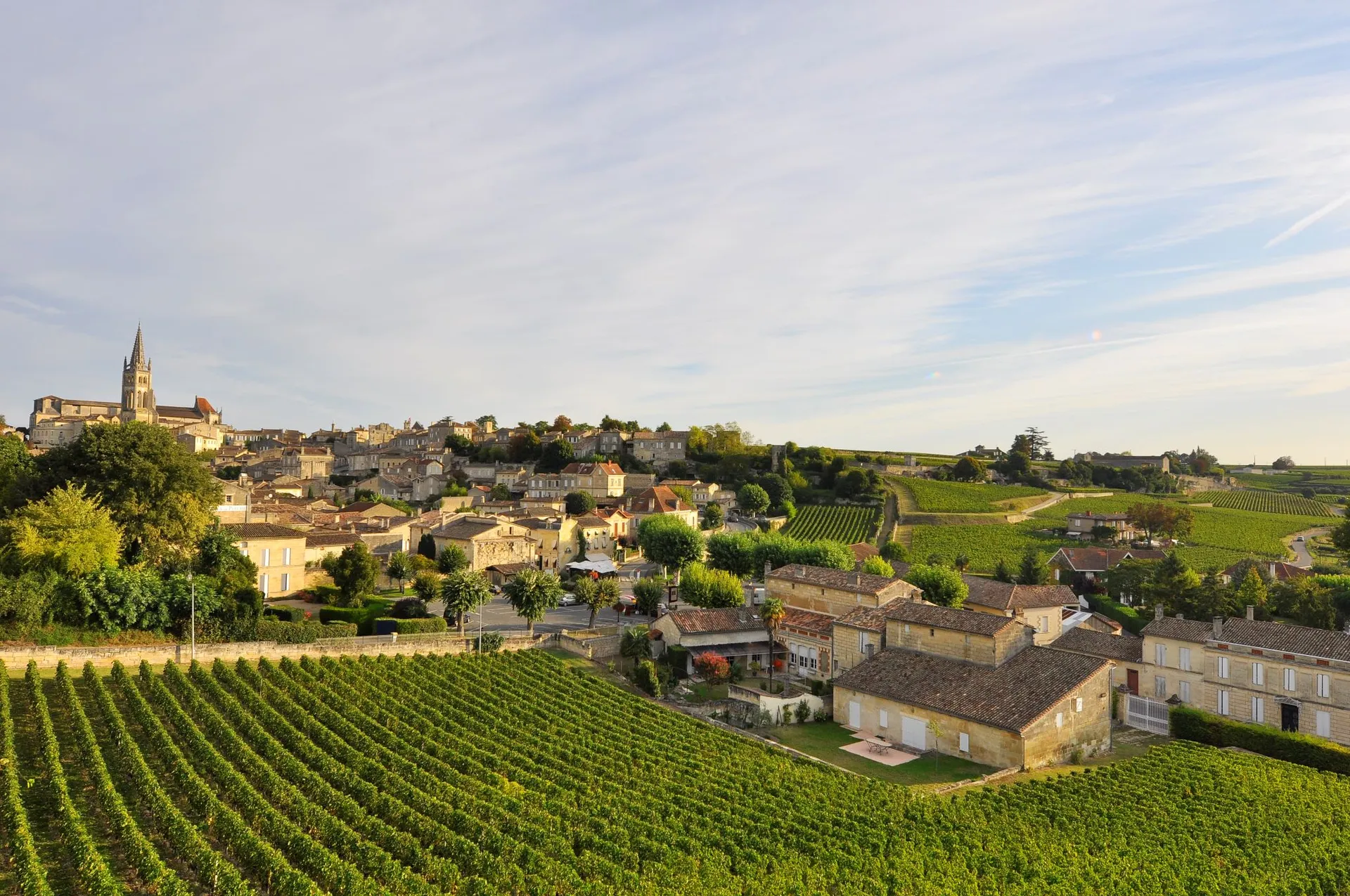
Beyond style, Saint Émilion functions as a cultural anchor within the Bordeaux wine region. It bridges religion, agriculture, and commerce in a way few areas do.
Its name carries memory. Its landscape carries a habit. Together, they form an identity that feels inherited rather than constructed.
This is why Saint-Émilion resonates so strongly with wine lovers. It offers not just wine, but context — a sense that what is in the glass belongs to a longer story.
Why Understanding the Man Matters
Knowing who Saint Émilion was does not change how wine tastes. It changes how wine is understood.
It reveals why land was organised the way it was. Why limestone matters beyond flavour. Why continuity outranked expansion? These insights transform Saint-Émilion from a name into a narrative.
For serious wine lovers, this depth enriches the tasting. It turns appreciation into comprehension.
A Closing Reflection
Saint Émilion did not set out to create a wine region. He sought solitude. Yet his presence shaped settlement, land use, and continuity in ways that still define one of Bordeaux’s most distinctive identities.
The wines that bear his name today are not expressions of legend, but of structure — shaped by limestone, stewardship, and centuries of habit. Understanding this history does not romanticise Saint-Émilion. It clarifies it.
For wine lovers looking to experience this clarity firsthand, grounding exploration in the Right Bank provides invaluable context. Experiencing the area through a Saint Emilion Wine Tour allows history, land, and wine to align — revealing Saint-Émilion not as a symbol, but as a living system.
