A Day in the Médoc: Experiencing Bordeaux’s Left Bank Wines
To spend a day in the Médoc is not simply to visit a wine region. It is to step into one of the clearest expressions of how Bordeaux wine thinks about structure, hierarchy, and time. The Médoc does not reveal itself through spontaneity or charm. It reveals itself through repetition, comparison, and patience.
For wine lovers seeking to experience this structure with clarity and progression, exploring the Left Bank through Bordeaux Wine Tours provides a coherent introduction to how the Médoc communicates its identity.
For wine lovers, a day here is not about covering ground. It is about understanding sequence: how gravel soils influence structure, how Cabernet Sauvignon asserts itself gradually, and how the Left Bank communicates power without excess. This is a region that rewards attentiveness rather than enthusiasm.
Approached correctly, a day in the Médoc becomes an education — not in individual estates, but in how a system produces coherence across distance.
Where the Médoc Sits in the Bordeaux Wine Region
The Médoc stretches north from the city of Bordeaux along the western bank of the Gironde estuary. Its geography is deceptively simple: flat terrain, proximity to water, and long bands of gravel deposited over millennia. Yet this simplicity hides one of the most disciplined viticultural environments in France.
What defines the Médoc is not dramatic landscape, but consistency. Gravel soils provide excellent drainage, encouraging deep root systems and favouring Cabernet Sauvignon. The nearby estuary moderates temperature, protecting vines from extremes and extending the growing season.
Within the broader Bordeaux wine region, the Médoc represents the Left Bank’s most classical expression — wines built for structure, ageing, and clarity rather than immediacy.
Understanding the Logic of a Médoc Tasting Day
A successful tasting day in the Médoc depends less on logistics than on order. Wines here speak a common language, but with dialects shaped by appellation, soil depth, and proximity to the estuary.
Tasting randomly flattens the experience. Tasting sequentially sharpens it.
The day works best when it follows the natural north–south rhythm of the region, allowing the palate to adapt gradually to increasing structure and depth. Early wines establish a framework. Later wines build upon it. This progression mirrors how the Médoc itself has historically positioned its wines: approachable in youth, authoritative with time.
For wine lovers, this structure is one of the great pleasures of the region.
The Médoc Appellations as a System
Rather than thinking of the Médoc as a collection of famous names, it is more useful to understand it as a system of appellations, each reinforcing a shared identity while expressing nuance.
Appellations such as Médoc and Haut-Médoc form the broader framework, within which more specific communes assert themselves. The distinctions are rarely dramatic in isolation, but become clear through comparison.
This layered structure explains why Médoc wines are often described as intellectual rather than emotional. They reward context. Without it, much of their meaning is lost.
Cabernet Sauvignon and the Discipline of Restraint
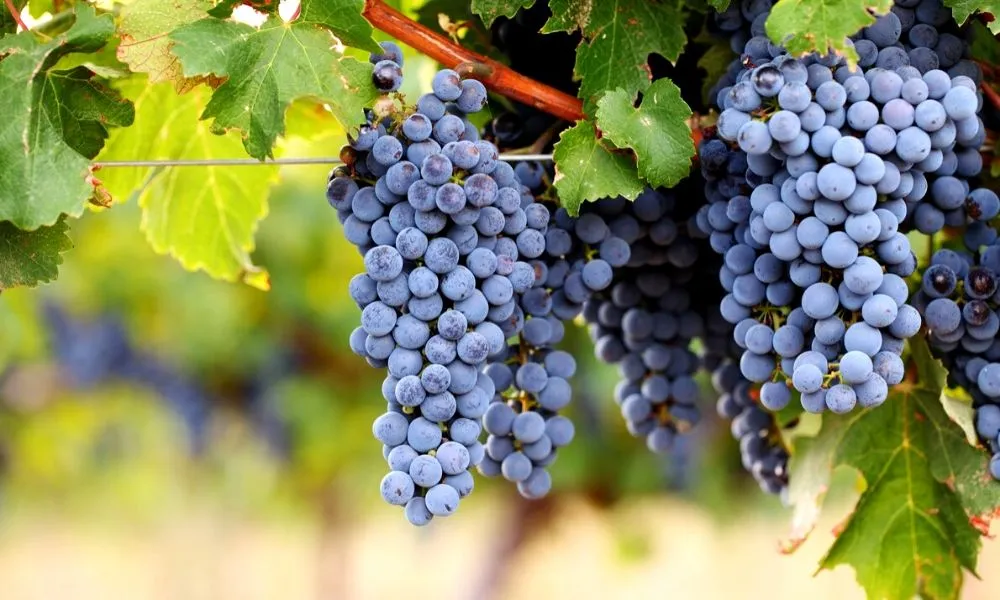
Cabernet Sauvignon dominates the Médoc not because it is fashionable, but because it aligns perfectly with the region’s conditions and philosophy. While Cabernet defines the Left Bank, understanding the broader role of grapes in Bordeaux becomes clearer when compared with varieties such as Merlot, explored in the secret life of Merlot.
In the Médoc, Cabernet is rarely expressive in youth. Its value lies in what it becomes rather than what it offers immediately. This long view has shaped how wines are made, blended, and released.
For wine lovers accustomed to more immediate styles, a day in the Médoc can feel austere at first. Over time, however, patterns emerge. Structure becomes reassuring. Restraint reveals intention. The wines begin to speak clearly — but only if given the space to do so.
Reading the Landscape While Moving Through It
Unlike hillier wine regions, the Médoc does not announce itself visually. Vineyards stretch calmly across flat land, interrupted by forests, small roads, and occasional glimpses of the estuary.
This understated landscape reinforces the region’s character. Nothing competes for attention. The focus remains on wine logic rather than scenery. Movement through the Médoc is linear and unhurried, encouraging reflection rather than distraction.
For wine travellers, this quietness is an asset. It creates mental space for tasting, comparison, and memory.
Why Time of Day Matters in the Médoc
The Médoc rewards structure not only in wine, but in pacing. Morning tastings often feel firmer and more analytical. Palates are fresh. Acidity and tannin register clearly.
As the day progresses, wines soften perceptually. Textures become more prominent. Context fills in gaps left earlier. This natural shift aligns well with the Médoc’s progression, allowing deeper wines to appear later without overwhelming the senses.
Understanding this rhythm transforms wine tasting in France from activity into experience — especially in a region as disciplined as the Médoc.
The Médoc as a Benchmark, Not a Showcase
One of the most important ideas to grasp during a day in the Médoc is that this is not a region designed to impress quickly. It is designed to endure. Wines here are benchmarks — reference points against which other styles are often measured.
This explains why the Médoc plays such a central role in wine education. Its clarity of structure makes it ideal for comparison. Once understood, it becomes easier to contextualise other regions, both within Bordeaux and beyond.
For wine lovers interested in comparing structure across the region, this deeper analysis of Left Bank vs Right Bank Bordeaux wines explores how the Médoc differs from its Right Bank counterparts.
For wine lovers, this is where appreciation deepens into understanding.
Communal Identity and Subtle Distinction in the Médoc
As the day unfolds in the Médoc, distinctions between communes become clearer — not through dramatic stylistic shifts, but through nuance. This is where the region asks wine lovers to slow down and refine perception.
Communes such as Pauillac, Margaux, Saint-Julien, and Saint-Estèphe do not exist to create contrast for its own sake. They exist to express variation within the discipline. Each reinforces the Médoc’s overarching identity while adjusting emphasis: aromatic lift, mid-palate density, tannin profile, or structural firmness.
What matters most is not memorising these differences, but recognising how they behave in sequence. Over the course of a day, patterns begin to surface. Wines feel related rather than isolated. The Médoc starts to read as a continuous text rather than a collection of chapters.
This is one of the reasons a day in the Médoc is so instructive for wine lovers. It teaches comparison as a skill, not a shortcut.
How the Tasting Experience Evolves Across the Day
Early tastings in the Médoc often feel cerebral. Structure dominates perception. Tannins register firmly. Acidity frames the wines sharply. This is the Médoc at its most analytical.
As the day progresses, context begins to soften the experience. Palates adapt. Structure feels less confrontational and more purposeful. Aromatic complexity becomes easier to read. Wines that initially appeared reserved begin to show coherence rather than austerity.
This evolution is not accidental. It mirrors how Médoc wines are intended to be understood — over time, with patience. A single tasting rarely captures their full intent. A sequence does.
For wine lovers interested in wine tasting in France as an educational experience rather than entertainment, the Médoc remains unmatched.
The Médoc Within the Framework of Wine Routes in France
Within the broader landscape of wine routes in France, the Médoc occupies a unique position. It is neither the most scenic nor the most emotionally expressive route. Its value lies elsewhere — in its ability to establish reference.
The Médoc teaches how structure operates at scale. It shows how consistency can coexist with distinction, and how hierarchy can persist without stagnation. These lessons extend far beyond Bordeaux, informing how wine lovers approach other regions.
Understanding the Médoc first often clarifies everything that follows. Burgundy’s precision, the Rhône’s contrast, or the Loire’s diversity all become easier to contextualise once the Médoc’s framework is understood.
For travellers seeking to engage with this logic through guided, wine-led experiences, exploring the Left Bank with Wine Tours in the Bordeaux region allows the region’s structure to be experienced coherently rather than episodically.
Why the Médoc Rewards Returning, Not Rushing
One of the most important insights a wine lover gains from the Médoc is that understanding here is cumulative. A single visit introduces the language. A second visit reveals fluency.
Returning to the Médoc after exploring other regions often sharpens perception. What once felt severe begins to feel precise. What once seemed repetitive reveals intention. Familiarity replaces intimidation.
This is why the Médoc remains a benchmark rather than a novelty. It does not compete for attention; it waits for comprehension.
The Médoc as a Lens on Bordeaux Wine
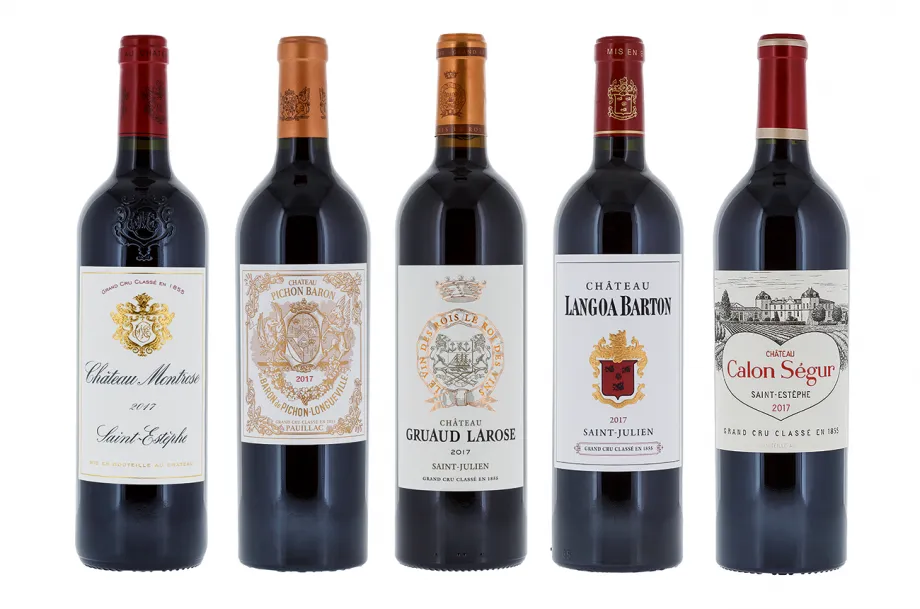
To understand Bordeaux wine without the Médoc is to miss its backbone. The Left Bank’s influence extends beyond geography. It shapes Bordeaux’s reputation for longevity, discipline, and balance.
The Médoc explains why Bordeaux values structure over immediacy and why blending is treated as architecture rather than embellishment. It also explains Bordeaux’s global influence: wines that travel well, age predictably, and communicate authority.
A day here clarifies not only how the Médoc works, but why Bordeaux thinks the way it does.
Integrating the Médoc Into a Broader Wine Journey
For wine lovers travelling through France, the Médoc often works best not as a highlight, but as a foundation. It sets parameters. It defines expectations. It calibrates taste.
Once that calibration is in place, other regions feel more legible. Preferences become clearer. Comparisons gain depth. The Médoc does not compete with other regions; it prepares you for them.
This is why experienced travellers often revisit the Médoc between journeys elsewhere, using it as a point of reference rather than a destination to “complete”.
A Natural Closing Reflection
A day in the Médoc is rarely dramatic. It does not rely on spectacle or surprise. Its impact is quieter, accumulating through repetition, structure, and restraint.
What it offers wine lovers is something far more valuable than novelty: clarity. It teaches how to taste with patience, how to compare with purpose, and how to recognise coherence over time.
For those who wish to experience this depth with context and continuity, returning to the Left Bank through Bordeaux Wine Tours allows the Médoc’s logic to unfold fully — not as a series of stops, but as a system that rewards understanding.
To explore this structure with guidance and progression, Bordeaux Wine Tours offers a clear and focused way to experience the Left Bank in context.
