Trial Opens in Bordeaux for the Group Accused of Large-Scale Fine-Wine Theft
A major criminal case has returned to the spotlight in Bordeaux as twelve people stand trial for a series of high-value wine thefts carried out between 2019 and 2020. The defendants are accused of forming an organised network that targeted renowned négociants and storage facilities across the region, stealing thousands of bottles of fine wine with a total value estimated at several million euros. The trial has drawn considerable interest within France and abroad due to the scale of the operation and the calibre of wines involved.
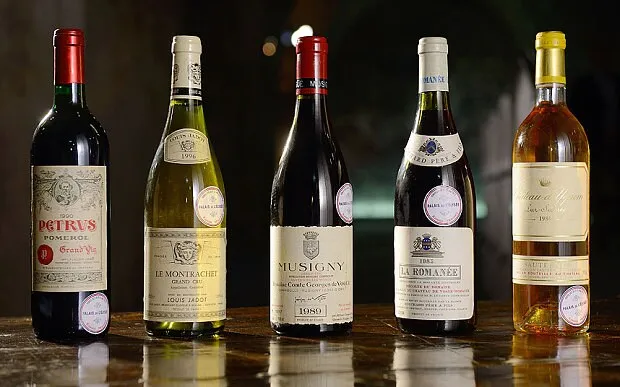
Value and Nature of the Stolen Wines
Investigators believe the group stole wine worth between €2.5 and €3 million. The damage caused during the break-ins, including the theft of vehicles used to transport the bottles, has been estimated at an additional €2 million.
The bottles taken were not everyday labels. Reports indicate that the haul included First Growths from the Médoc, top estates from Saint-Émilion and Pomerol, Château d’Yquem, and sought-after Burgundy wines. Some négociants have already retrieved a small portion of the stolen stock, including older vintages from leading châteaux, but a significant share has not been recovered.
The high value of the wine explains why these incidents caused concern throughout the Bordeaux trade. Wines of this calibre are not only expensive but also tightly tracked by merchants and collectors, as their provenance affects both market value and authenticity. The thefts disrupted inventories, export plans, and insurance assessments for several businesses linked to the Bordeaux trade.
How the Operation Allegedly Worked
Prosecutors describe the group as an organised association with a clear division of roles. The alleged ringleader is a 34-year-old man from the Gironde department who has a previous criminal record. Authorities claim he coordinated the planning, transportation, and resale of the stolen wine.
The thefts took place during targeted break-ins, often involving the use of stolen vehicles and rapid entry into warehouses. The wines were then channelled into various distribution routes. Some were allegedly sold to restaurants and merchants within France, while others appear to have been moved abroad. The presence of international buyers suggests that the network may have had connections beyond the local market.
Sentencing Requests and Legal Context
The trial follows several years of delays linked to procedural issues. Earlier hearings were postponed due to administrative complications concerning the transfer of the case to an appeals court. These delays allowed investigators to refine their understanding of the network and its operation.
The prosecution is seeking lengthy prison terms for some of the defendants, particularly the man identified as the leader of the group. Others face shorter sentences, including suspended terms, depending on the extent of their involvement. For the Bordeaux wine industry, the outcome of the case is being watched closely, as it may influence future measures for securing storage facilities and tracking fine wines.
Impact on the Bordeaux Wine Trade
The case highlights the scale of global demand for Bordeaux wine and the value placed on well-known châteaux. It also illustrates the challenges faced by merchants who store large quantities of ageing wine, often spread across multiple locations. Improved security measures have been discussed within the trade since the thefts, including enhanced surveillance, stricter access control, and more detailed digital tracking systems.
For visitors interested in wine culture, the trial offers a real example of how Bordeaux’s wines function not only as cultural products but also as high-value assets. Understanding the pressures surrounding these wines adds an additional dimension to visiting the region, where history, commerce, and craftsmanship intersect.
If you plan to explore the area and learn more about how estates protect and manage their most prized bottles, consider joining a Saint-Émilion wine tour with Bordeaux Wine Pilgrim. Guides provide background on the region’s vineyards, wine traditions, and the factors that shape its reputation.
Relevance for Wine Tourism and Bordeaux Visitors
Bordeaux remains one of the world’s most visited wine regions. Travellers often arrive with an interest in the landscapes, winemaking culture, and the history of the appellations. This case demonstrates that the global value of Bordeaux wine reaches far beyond tasting rooms and vineyards.
For many visitors, learning about how estates maintain their reputation and safeguard their wines can deepen their understanding of the region. The trial also shows how interconnected Bordeaux has become with international markets, where fine wines are traded, collected, and sometimes targeted for criminal activity.
Travelling through the region offers an opportunity to see how châteaux operate today, balancing tradition with modern technology. Wine tourism continues to grow, and well-designed tours allow visitors to see the vineyards, cellars, and estates that play such central roles in the identity of Bordeaux.
Want to start your own Bordeaux wine collection or learn more about the region? Exploring Bordeaux wine goes beyond reading articles. Appellations such as Saint-Émilion, where many classified and age-worthy wines originate, are best understood in context. For example, some of the stolen wines included notable vintages like Château Latour 2012. A guided visit explains the landscape, classification system, and winemaking approach that shape these wines. You can book a Saint-Émilion wine tour with Bordeaux Wine Pilgrim to gain practical insight into Bordeaux’s vineyards, history, and wine culture.
Looking Ahead
The verdict in this case will be closely followed by négociants, estate owners, and wine professionals. While Bordeaux has long dealt with cases of counterfeit wine on the international market, large-scale thefts of this nature are less common. The trial serves as a reminder of the enduring value of fine wine and the complex systems required to protect it.
For visitors and wine enthusiasts, it is also a reminder that Bordeaux is not only a scenic region but a global centre of wine production, trade, and cultural heritage. Exploring the area provides insight into why these wines are so sought after and how they shape the identity of the region.
