Bordeaux Reds: The Soul of a Legendary Wine Region
The Red Heart of Bordeaux
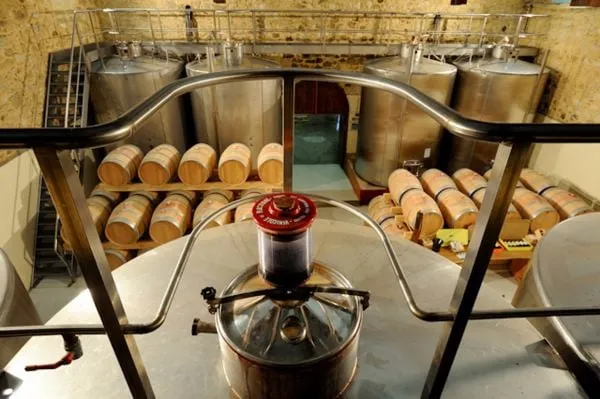
When travellers first think of French wine, Bordeaux almost always comes to mind. Its name alone carries centuries of prestige, evoking châteaux, barrels, and the promise of balance in a glass. Yet behind every bottle lies something far more intricate — a landscape of contrasts, a culture built on patience, and generations who have turned grape-growing into art.
Red wine has defined Bordeaux for more than 800 years. Monks, merchants, and winemakers have all shaped the region’s evolution, creating a style admired worldwide. The reds of Bordeaux are not just drinks; they’re messages from the land — reflections of soil, weather, and craftsmanship.
Modern Bordeaux, however, isn’t content to rest on its reputation. The region is alive with change. Organic viticulture, experimentation with blends, and a younger generation of winemakers are ensuring that the reds of Bordeaux remain as relevant today as they were in the days of the British crown and the wine merchants of the Chartrons.
For anyone exploring the region with Bordeaux Wine Pilgrim, tasting a Bordeaux red is like decoding history — one sip at a time.
Where It All Began: The Origins of Bordeaux’s Red Wines
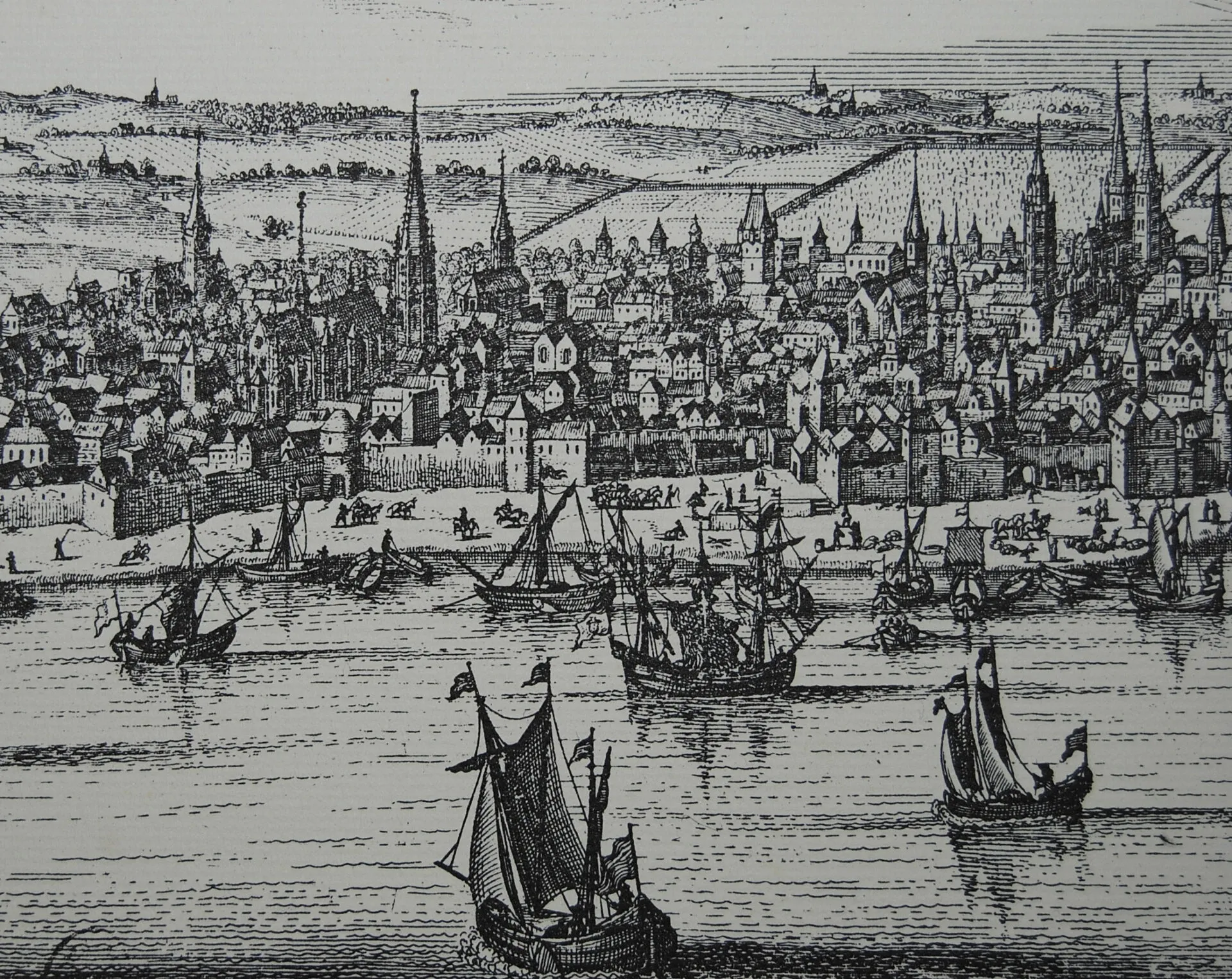
The roots of Bordeaux’s red wine tradition stretch back to Roman times, but it was during the Middle Ages that things truly took shape. When Eleanor of Aquitaine married Henry II of England in 1152, Bordeaux’s wines gained privileged access to the English market.
Merchants from Bristol and London came to the port to buy claret — the light, fruit-driven red wines of the time — and a thriving trade flourished. The city’s riverfront grew rich, its merchants built grand homes in the Chartrons district, and vineyards expanded rapidly along the Garonne.
Over centuries, these relationships between commerce, geography, and innovation turned Bordeaux into a model for the modern wine world. The city’s connection to trade also explains its global outlook — Bordeaux has always been a region that looks outward, embracing new ideas and adapting to change.
Understanding the Land: The Geography Behind the Glass
Few wine regions demonstrate the importance of terroir — the interplay between soil, climate, and human touch — as clearly as Bordeaux.
The Left Bank
The Left Bank, home to the Médoc and Graves, is defined by gravel soils deposited by ancient rivers. These stones retain heat during the day and radiate it at night, helping Cabernet Sauvignon reach full ripeness.
The wines here are structured, built to last, and deeply layered. You’ll often find aromas of blackcurrant, cedar, tobacco, and graphite — flavours that have become synonymous with classic Bordeaux.
The Right Bank
Across the river, the Right Bank’s clay and limestone soils nurture Merlot and Cabernet Franc. These wines tend to be softer, rounder, and more approachable in youth, with flavours of plum, truffle, and mocha.
The contrast between the two banks defines Bordeaux’s identity. While Left Bank wines speak of power and precision, Right Bank wines convey comfort and grace. Both represent different expressions of the same story.
The Microclimate Advantage
Bordeaux’s climate — oceanic yet temperate — allows grapes to ripen slowly, preserving balance. The Atlantic’s influence prevents extremes of heat and cold, while the rivers protect against frost.
Climate change is shifting these dynamics, bringing earlier harvests and richer styles, but Bordeaux’s adaptability remains one of its strengths. Many winemakers now plant higher on slopes or adjust blends to retain freshness, proving that Bordeaux’s resilience is as enduring as its reputation.
The Language of the Blend
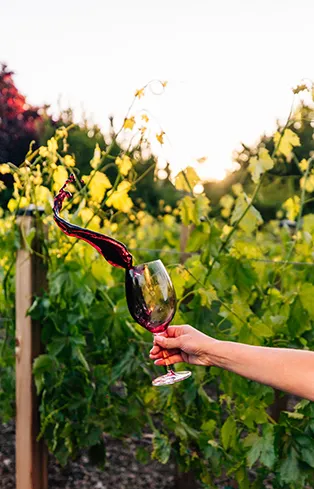
One of the defining features of Bordeaux reds is that they are blends rather than single-varietal wines. This approach creates complexity and balance, allowing winemakers to adapt to each vintage.
A typical blend might include:
- Cabernet Sauvignon: structure, tannin, and longevity.
- Merlot: roundness, fruit, and approachability.
- Cabernet Franc: freshness and aromatic lift.
- Petit Verdot: spice and colour intensity.
- Malbec and Carménère: historical varieties that add character in small proportions.
Blending is as much art as science. Each winemaker aims to capture harmony — a conversation between grapes rather than a competition. The decisions made in the blending room determine the wine’s texture, balance, and how it will age over time.
In tasting rooms across Bordeaux, visitors quickly learn that no two blends are the same. Even neighbouring estates interpret their terroir differently, making exploration endlessly rewarding.
The Great Châteaux and the Classification System
The 1855 Classification
In 1855, during the Paris Exposition Universelle, Napoleon III requested a classification of Bordeaux wines to showcase the region’s excellence. Brokers ranked the best estates of the Médoc (and one from Graves) into five growths (crus).
This classification, based largely on reputation and trading price at the time, has remained mostly unchanged for over 160 years.
- First Growths (Premiers Crus): Château Lafite Rothschild, Château Latour, Château Margaux, Château Haut-Brion, and later, Château Mouton Rothschild.
- Second to Fifth Growths: Representing a ladder of prestige, yet many Fourth and Fifth Growths produce wines rivalling their more famous neighbours today.
Saint-Émilion Classification
On the Right Bank, Saint-Émilion operates its own evolving classification, updated roughly every decade. It recognises Premier Grand Cru Classé A, Premier Grand Cru Classé B, and Grand Cru Classé estates.
This flexibility keeps it more reflective of current quality and allows newer, ambitious estates to rise in recognition.
Cru Bourgeois and Beyond
Between the great châteaux and smaller properties lies a vast middle ground of exceptional value. The Cru Bourgeois classification highlights Médoc wines that meet strict quality criteria without commanding grand cru prices.
Exploring these wines offers a glimpse of Bordeaux’s depth — proof that prestige doesn’t always require extravagance.
Inside the Cellar: Winemaking Practices
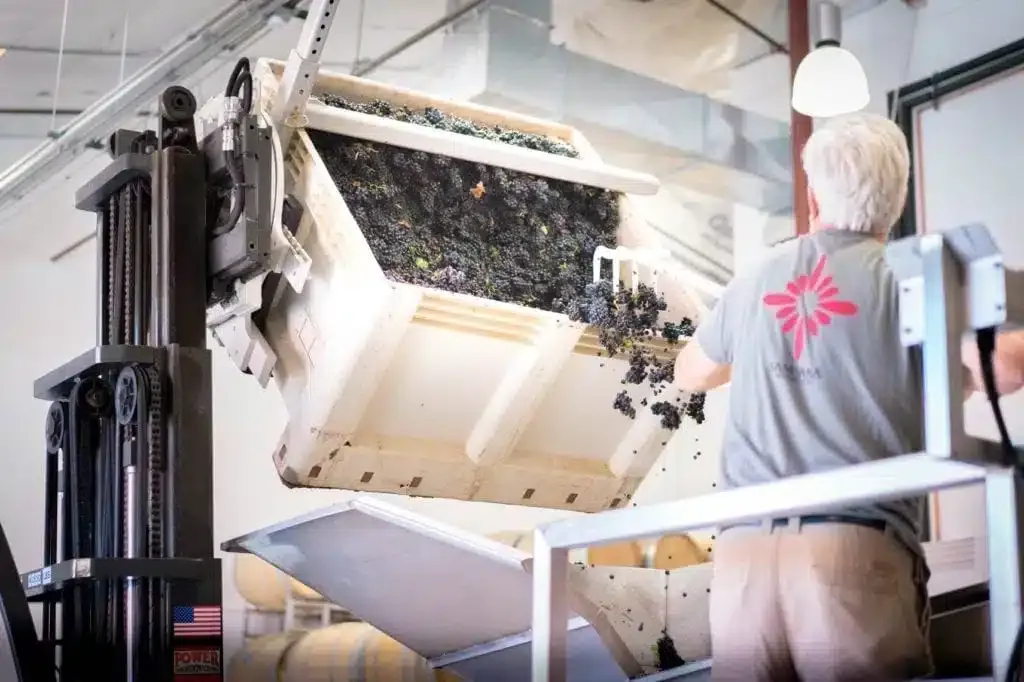
Winemaking in Bordeaux balances precision with intuition.
Harvest and Sorting
Grapes are often harvested by hand, especially at top estates. Sorting tables ensure only the best fruit enters the fermentation tanks. The decision of when to pick — balancing ripeness and acidity — defines the character of the vintage.
Fermentation and Ageing
Fermentation takes place in stainless steel, concrete, or wooden vats. Temperature control preserves aroma while careful extraction determines structure.
After fermentation, wines are aged in oak barrels, usually for 12 to 24 months. The percentage of new oak varies by style: grand châteaux may use 60–100% to add spice and texture, while others prefer a lighter touch. Alongside reds, many visitors also enjoy tasting styles such as Bordeaux white wines and sparkling wines in Bordeaux as part of understanding the region’s full range.
Modern Adjustments
In recent years, technology and tradition have merged. Optical sorting machines, gravity-fed cellars, and minimal-intervention philosophies allow winemakers to fine-tune their approach. Sustainability drives much of this innovation — from water recycling to renewable energy.
The result is a generation of Bordeaux reds that feel both authentic and contemporary.
The Human Touch: Generations in the Vineyard
Every château in Bordeaux carries the imprint of people. Families have tended the same vines for centuries, passing down not only land but also philosophy.
Many estates now see second or third generations stepping into leadership, often with international experience. These young winemakers bring fresh perspectives while honouring their heritage.
In Saint-Émilion, for instance, small producers blend tradition with experimentation, reviving forgotten techniques or adjusting vineyard practices for biodiversity. Their wines often capture a vivid sense of place — the limestone, the light, and the rhythm of village life.
For visitors on a saint emilion wine tour with Bordeaux Wine Pilgrim, meeting these winemakers offers a rare window into the human side of Bordeaux’s legacy.
The Sensory Experience: Tasting Bordeaux Reds
Sight
Look at a young Bordeaux red, and you’ll see deep garnet or purple hues, almost opaque at the centre. With age, these colours evolve to brick or tawny tones, a visual sign of maturity.
Smell
The aromas are layered — blackcurrant, plum, cedar, tobacco, truffle, and graphite. With time, the bouquet develops complexity: dried fruits, cigar box, leather, and forest floor.
Taste
Texture is key. Bordeaux reds balance fruit, tannin, and acidity in a way that feels alive on the palate. The best wines have a seamless progression — from the first sip to a long, resonant finish.
Wine professionals often describe Bordeaux as “the architecture of taste,” where every component supports the whole.
The Culture of Ageing
Few wines in the world reward patience like Bordeaux reds. Collectors often buy bottles young and cellar them for years, watching them evolve from vigorous youth to graceful maturity.
Yet ageing isn’t just for collectors. Even modest Bordeaux benefits from a few years of rest, allowing the tannins to integrate and flavours to harmonise.
Visiting a château’s cellar — cool, dimly lit, lined with oak barrels — gives travellers a sense of time suspended. Each barrel holds a vintage waiting for its moment.
When you finally open an aged Bordeaux, it’s more than a drink — it’s a moment of continuity with the past.
Bordeaux Reds in Modern Life
In today’s world of fast consumption, Bordeaux reds remind us of the value of patience. They represent care, heritage, and connection to the land.
At the same time, Bordeaux is adapting. Many estates now craft fresher, fruitier styles suited for casual drinking, while others experiment with amphora ageing or natural wine principles.
Restaurants across the city are rediscovering local pairings, offering Bordeaux by the glass alongside creative, seasonal cuisine. From wine bars in the Chartrons to riverside bistros in Les Halles de Bacalan, you’ll find Bordeaux red being enjoyed in ways both traditional and modern. If you are planning meals around the region’s styles, Bordeaux wine pairing in summer explores combinations that work well with seasonal dishes and warmer weather.
Exploring Bordeaux Through Its Reds
To truly understand Bordeaux, you must walk its land — see the light on the vines, feel the gravel underfoot, and listen to the stories told in every cellar.
A journey with Bordeaux Wine Pilgrim connects these experiences. Whether cycling through Médoc, tasting in Pomerol, or sharing lunch with winemakers, travellers discover that Bordeaux red is not a static symbol but a living expression of place.
Each glass becomes a memory of conversations, aromas, and landscapes that linger long after the last sip.
The Enduring Legacy of Bordeaux Red
The reds of Bordeaux endure because they balance strength and elegance, confidence and restraint. They have adapted across centuries without losing their soul.
In a world where trends come and go, Bordeaux continues to define what great wine can be: timeless, thoughtful, and deeply human.
For every visitor who comes to the region, from first-time tasters to seasoned collectors, Bordeaux offers not just a wine to drink but a culture to experience — one that continues to evolve while honouring its roots.
And that, perhaps, is the truest expression of a Bordeaux red.
