Château Cheval Blanc – Elegance and Legacy in Saint-Émilion
Château Cheval Blanc is one of the most celebrated names in Bordeaux, a symbol of refinement and excellence among Right Bank Bordeaux wines. Recognised for decades as a Saint-Émilion Premier Grand Cru Classé A, it remains one of the most admired estates in the region, producing wines that combine aromatic complexity, finesse, and remarkable longevity. For travellers seeking the finest expressions of Bordeaux Grand Cru Classé wines, a visit to Cheval Blanc offers a chance to experience both history and artistry in one of the most iconic vineyards in France.
History of Château Cheval Blanc
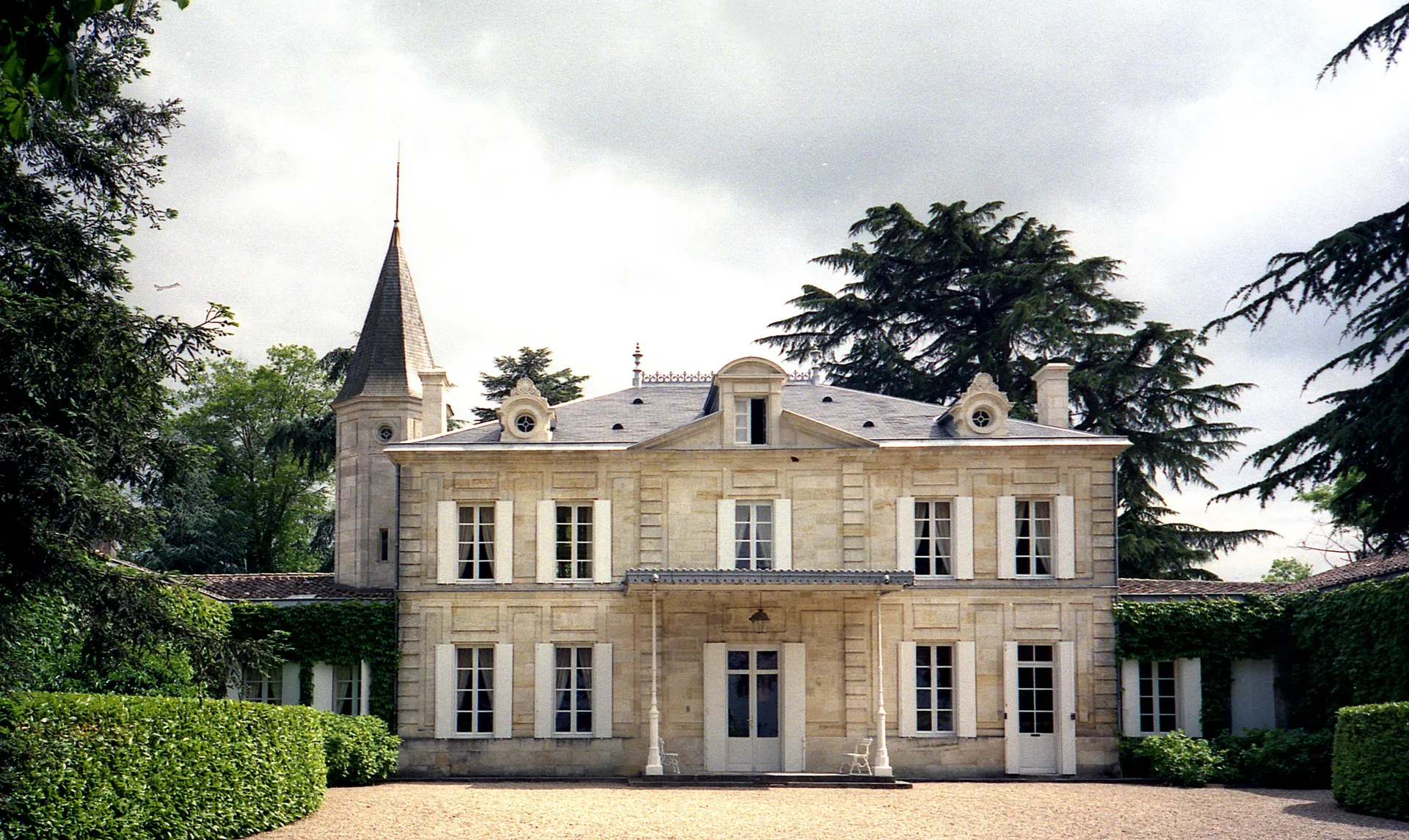
The origins of Château Cheval Blanc Bordeaux date back to the mid-19th century, when Jean-Jacques Ducasse acquired land from neighbouring Château Figeac. Through careful consolidation of parcels, the estate took shape, with its unique terroir setting it apart from other properties. By 1852, the name Cheval Blanc appeared on labels, marking the beginning of its journey as a distinct estate.
From its earliest vintages, Cheval Blanc gained international acclaim. Medals awarded in the 1860s at international exhibitions in Paris and London still appear proudly on the château’s label. For more than a century, the estate remained in the hands of the Laussac-Fourcaud family, who preserved its reputation and refined its winemaking traditions. In 1998, ownership passed to Bernard Arnault and Albert Frère, with Pierre Lurton appointed as managing director. Under his leadership, Cheval Blanc has blended innovation with heritage, ensuring its continued place at the pinnacle of Saint-Émilion Grand Cru estates.
The estate has always been seen as progressive, investing in technology and vineyard management while respecting traditional practices. This balance between innovation and continuity is one of the reasons why Cheval Blanc continues to produce wines that are instantly recognisable yet unique to each vintage.
The Terroir and Vineyards.
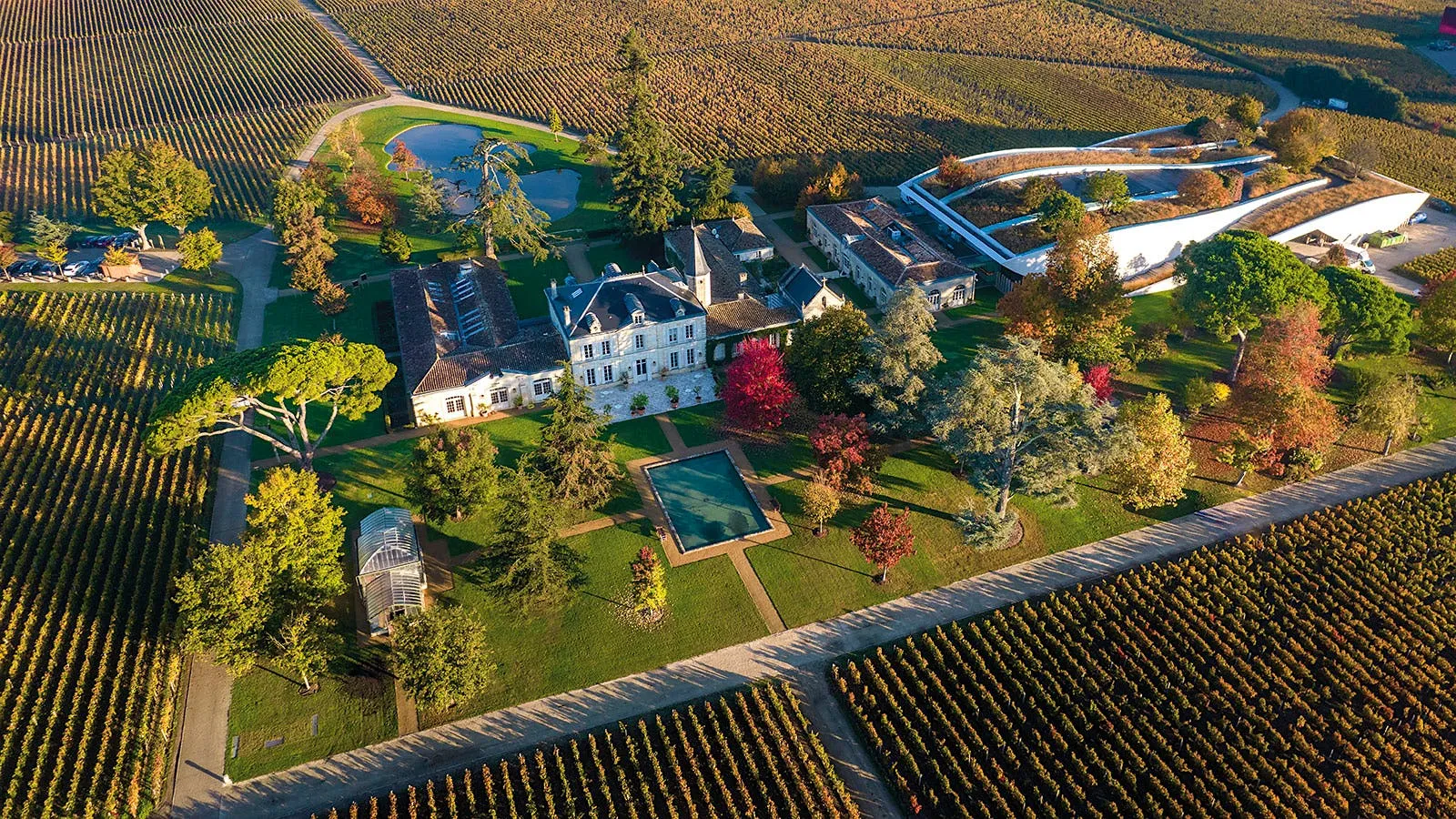
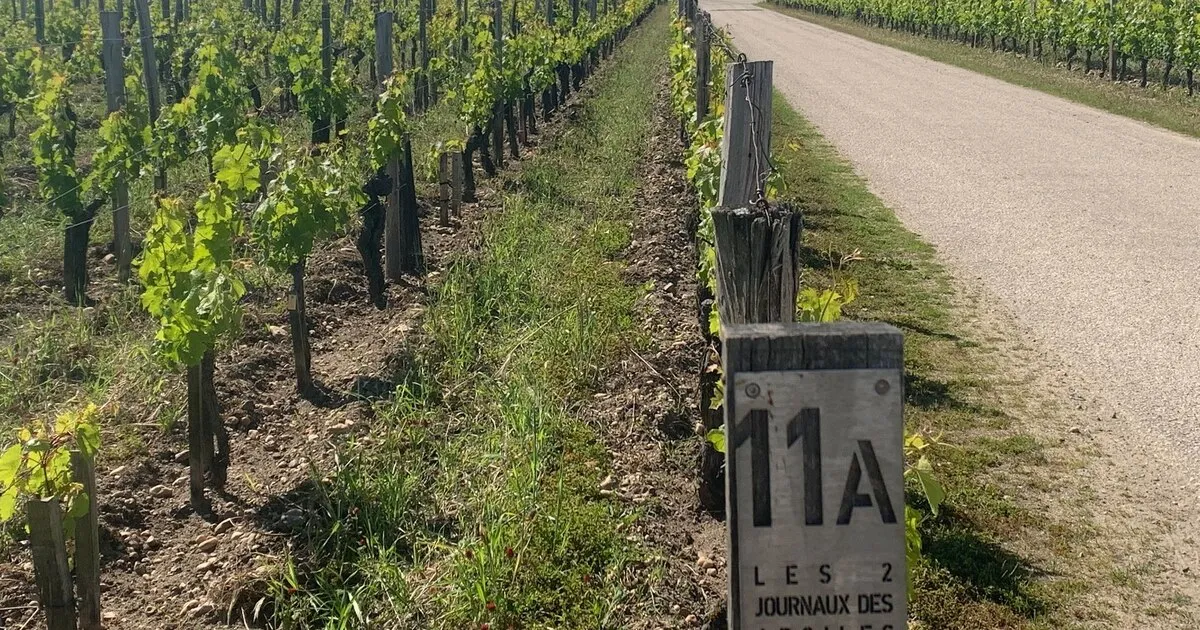
One of the unique features of Château Cheval Blanc is its location at the border of Saint-Émilion and Pomerol. The 39-hectare vineyard lies on a patchwork of gravel, clay, and sandy soils, creating a mosaic of micro-terroirs. This diversity allows for wines of great complexity and balance, as each parcel contributes distinct qualities to the final blend.
The vineyard is planted with an unusually high proportion of Cabernet Franc, around 52%, alongside Merlot (43%) and a small amount of Cabernet Sauvignon. This dominance of Cabernet Franc sets Cheval Blanc apart from many other Saint-Émilion vineyards, giving its wines perfume, structure, and an unmistakable identity. Harvest is carried out by hand, with each plot vinified separately to preserve its individuality.
The estate produces both the grand vin, Château Cheval Blanc, and a second wine, Petit Cheval. Annual production remains relatively small, which, combined with its reputation, makes Cheval Blanc one of the most sought-after wines in the world.
The Cellars and Winemaking
The cellars of Cheval Blanc are as much a part of its identity as the vineyards. Modernised in recent years, they are designed to blend functionality with elegance, reflecting the philosophy of the estate itself. Rows of oak barrels line the underground spaces where the wines mature slowly, gaining complexity and refinement.
Winemaking is carried out with meticulous attention to detail. Each parcel of the vineyard is vinified separately, allowing the winemaking team to understand and preserve the character of each plot. Blending then becomes a process of artistry, bringing together the structure of Cabernet Franc and the richness of Merlot to create wines that are both powerful and graceful. Ageing takes place in French oak barrels, with careful monitoring to ensure balance between fruit and wood.
This careful process results in wines that have the ability to evolve for decades, rewarding patience with extraordinary depth and complexity.
Architectural Identity of the Winery
A distinctive feature of Château Cheval Blanc today is its striking modern winery, inaugurated in 2011. Designed by the architect Christian de Portzamparc, the building stands out with its sweeping curves and futuristic appearance, yet harmonises beautifully with the surrounding vineyards. The architecture reflects the estate’s dual identity: respect for heritage combined with an embrace of innovation.
The winery is not only visually impressive but also designed with precision for winemaking. The curved roof shelters naturally lit spaces, while concrete vats in varying sizes allow for vinification plot by plot, ensuring that each parcel of the vineyard can be expressed individually. The building’s open and flowing design mirrors the philosophy of Cheval Blanc’s wines, which balance richness with refinement, power with elegance.
For visitors, the winery is a highlight of any Château Cheval Blanc wine tour, offering insight into how architecture and winemaking can come together to create a seamless expression of identity.
Premier Grand Cru Classé A
Cheval Blanc was first included in the Saint-Émilion wine classification of 1955, immediately receiving the highest ranking of Premier Grand Cru Classé A. This status reflected not only the estate’s outstanding terroir but also its long record of producing wines of exceptional quality. For years, it was one of the few estates to consistently hold this top distinction.
In 2022, the château chose to withdraw from the classification system. This decision reflected its independence and the confidence it has in its reputation. Cheval Blanc continues to be considered one of the finest estates in Bordeaux, and its wines remain as desirable and respected as ever, even without the formal title.
Visiting Château Cheval Blanc – Tours and Tastings
For those exploring Bordeaux wine tourism, a visit to Château Cheval Blanc is a rare and memorable opportunity. The estate sits just outside the medieval town of Saint-Émilion, a UNESCO World Heritage site renowned for its cobbled streets, monolithic church, and panoramic vineyard views. The château itself combines classical heritage with striking modern architecture, symbolising the blend of tradition and innovation that defines Cheval Blanc.
Château Cheval Blanc wine tours allow guests to explore the vineyards, learn about the estate’s meticulous viticulture, and visit the cellars where the wines are aged in French oak barrels. Tastings provide a chance to appreciate the depth and complexity of the wines, guided by expert staff who share the estate’s philosophy and history.
Typical Château Cheval Blanc tasting notes include aromas of violets, graphite, mulberries, and spices, with a palate that balances richness and freshness. The texture is silky, the tannins refined, and the finish long and harmonious. With time, the wines develop layers of tobacco, truffle, and cedar, demonstrating why they are among the most age-worthy in Bordeaux.
Pairing a visit to Cheval Blanc with a saint emilion wine tour organised by Bordeaux Wine Pilgrim offers travellers a complete immersion into the beauty of the region and its most celebrated wines.
Notable Vintages of Château Cheval Blanc
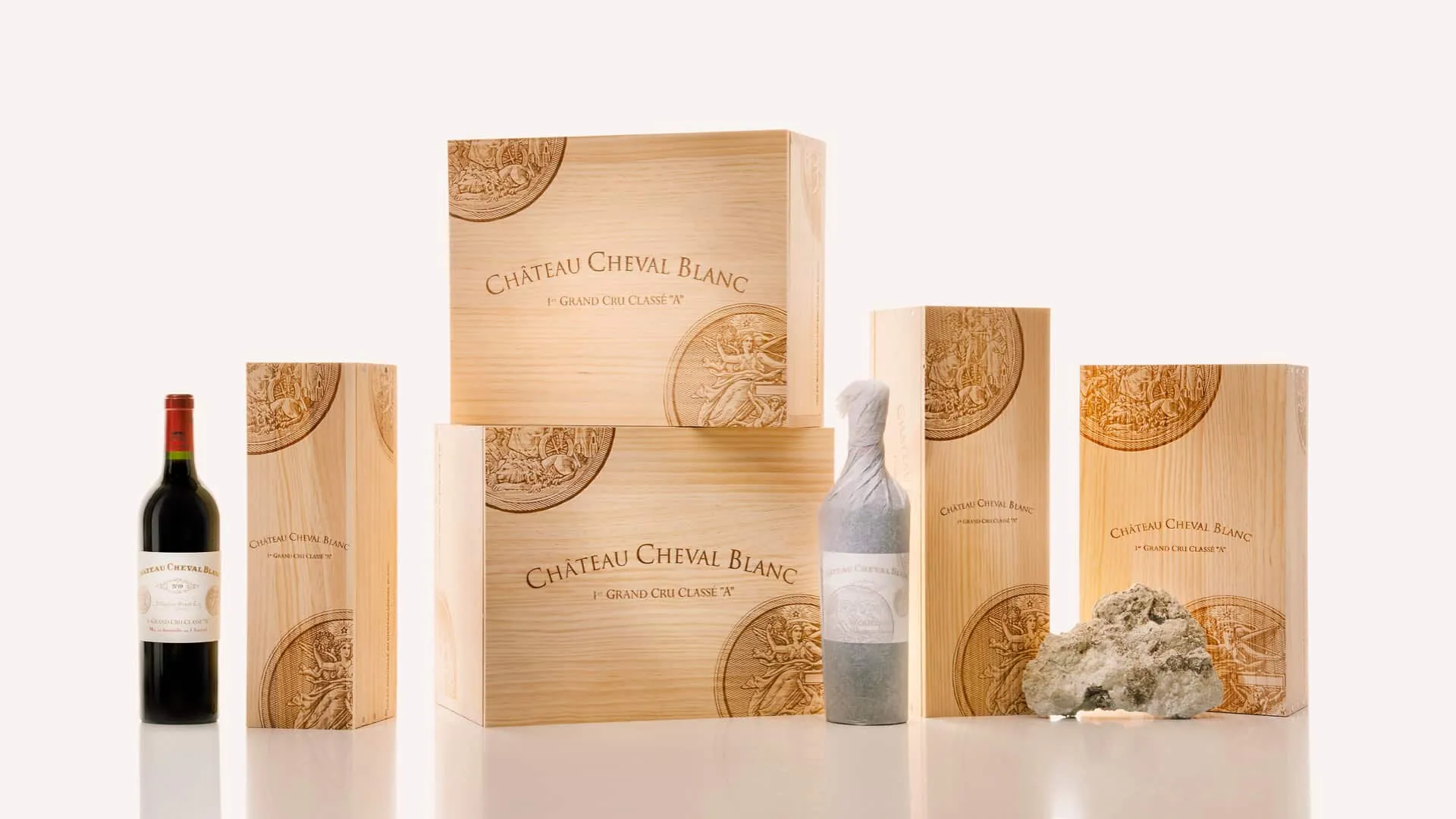
Cheval Blanc’s wines are consistently outstanding, but certain vintages have achieved legendary status:
- 1947 – Perhaps the most famous Cheval Blanc ever produced, a wine of remarkable richness and complexity. Aromas of chocolate, exotic spice, and dark fruit still linger after decades, with a palate that combines opulence and freshness.
- 1961 – A deep, concentrated vintage with cassis, tobacco, and earthy notes, built for long ageing and now considered one of the estate’s historic benchmarks.
- 1982 – A ripe and lush wine, with layers of red fruit, cedar, and a long velvety finish, demonstrating Cheval Blanc’s ability to balance power and grace.
- 2000 – A modern classic, dense with blackcurrant, plum, and graphite, supported by silky tannins and an exceptional balance of richness and precision.
- 2005 – Structured and pure, offering violet, cassis, and mineral freshness, with remarkable clarity and finesse.
- 2009 – A warm vintage producing opulent wines full of ripe fruit, liquorice, and floral perfume, with soft tannins and a generous, round finish.
- 2010 – Monumental in structure, showing black cherry, crushed stone, and tobacco, with firm tannins and extraordinary length.
- 2015 – Elegant and harmonious, with floral notes, red fruit, and a touch of spice, offering both immediate charm and long-term promise.
- 2016 – Balanced and poised, revealing blackberry, graphite, and subtle herbal undertones, with freshness that ensures long ageing potential.
- 2019 – Bright and energetic, with blueberry, liquorice, and mineral notes, combining ripeness with vibrancy.
- 2020 – Complex and layered, marked by dark fruit, cocoa, and refined tannins, showing promise for decades of evolution.
These vintages demonstrate the estate’s ability to adapt to the conditions of each year while remaining true to its distinctive style. Collectors value Cheval Blanc for its consistency, but also for the diversity of expressions that emerge across different harvests.
Food Pairings with Château Cheval Blanc
One of the joys of wine appreciation is pairing it with food, and Cheval Blanc’s character makes it especially versatile. The dominance of Cabernet Franc provides freshness and aromatic lift, while Merlot brings richness and depth, allowing the wines to complement a wide range of dishes.
- Young vintages with vibrant fruit and floral notes pair beautifully with roasted lamb, duck breast, or veal tenderloin, dishes that highlight the wine’s structure without overpowering its elegance.
- Mature bottles, showing truffle, tobacco, and earthy undertones, are outstanding with classic French cuisine such as beef Wellington, slow-braised short ribs, or pigeon with wild mushrooms.
- Vegetarian pairings include truffle risotto, roasted aubergine with herbs, or mushroom-based dishes, which echo the savoury and mineral qualities of older vintages.
- Cheese is another perfect partner. Aged Comté, Saint-Nectaire, or truffled Brie bring out the wine’s complex layers while balancing its intensity.
For those visiting Saint-Émilion, enjoying a bottle of Cheval Blanc with local delicacies such as entrecôte à la Bordelaise or duck confit provides an authentic taste of Bordeaux gastronomy alongside one of its most celebrated wines.
The Experience of Cheval Blanc Wines.
What makes Cheval Blanc’s wines so distinctive is their seamless combination of power and elegance. The Cabernet Franc provides perfume, freshness, and structure, while the Merlot adds richness and supple texture. Together, they create wines that are both immediately captivating and capable of extraordinary evolution.
Young Cheval Blanc wines are often vibrant, with expressive fruit and floral notes. As they age, they gain depth, revealing earthy undertones, spice, and mineral nuances. The best vintages remain vibrant for decades, offering new discoveries with each tasting.
Enjoying Cheval Blanc is not only about drinking a great wine; it is about experiencing a legacy that has been carefully built over centuries. Each bottle connects the drinker to the land, the history, and the people who have shaped this estate.
Conclusion:
Château Cheval Blanc is more than just a wine estate; it is a cultural and historical landmark within the world of Bordeaux wine appellations. Its heritage, terroir, and wines combine to create an experience that is both profound and unforgettable. For travellers seeking to understand the soul of Bordeaux Grand Cru Classé wines, Cheval Blanc offers a journey through history, flavour, and artistry.
Whether exploring the history of Château Cheval Blanc Bordeaux, admiring its modern winery architecture, tasting its wines in the heart of Saint-Émilion, or savouring a pairing with French cuisine, this estate remains a symbol of elegance and excellence. To make the experience complete, include Cheval Blanc as part of a Bordeaux wine tour and tasting with Bordeaux Wine Pilgrim and discover why this estate continues to inspire wine lovers across the world.