The Most Photogenic Vineyards in France for Wine Lovers
Why France’s Vineyards Are Among the Most Photographed in the World
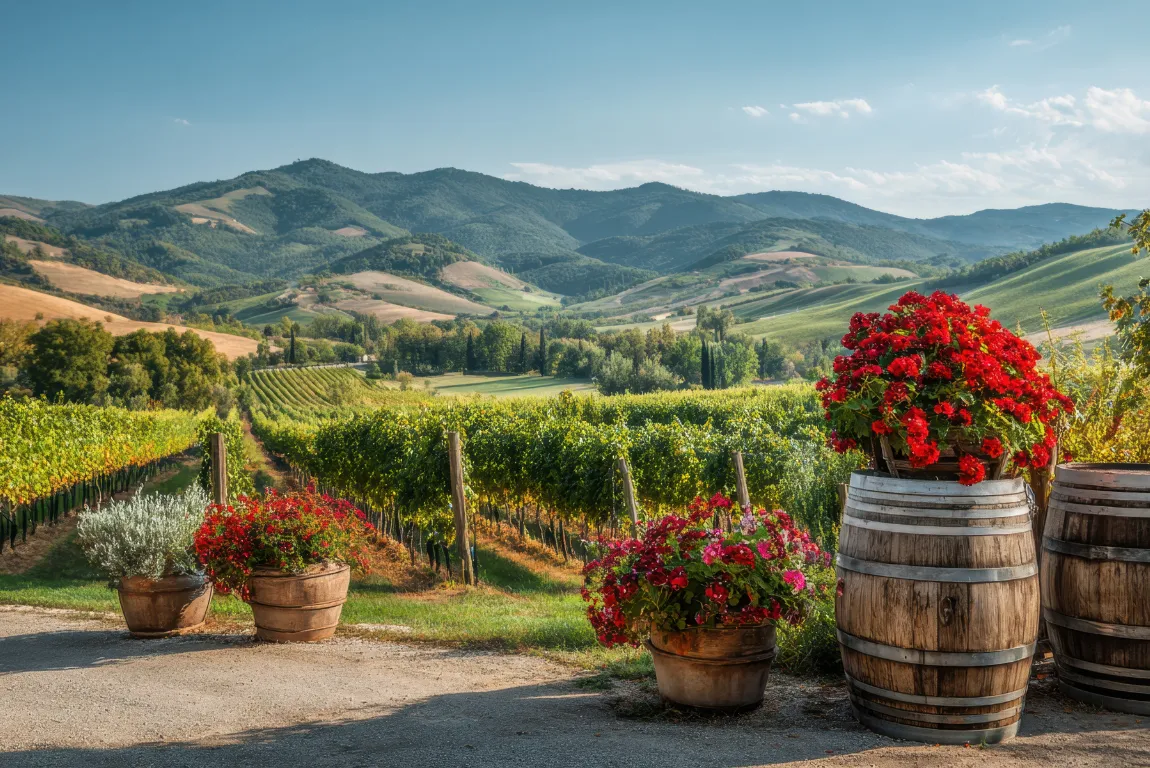
Travellers arriving in France for wine tourism often expect exceptional flavours, historic châteaux, and generous hospitality. Yet one of the most powerful moments comes not in the tasting rooms, but out in the vineyards — where landscape, light, architecture, and history come together in extraordinary beauty.
France’s wine regions offer some of the most photogenic scenery in Europe. Rolling hills, medieval villages, limestone terraces, grand estates, and endless rows of vines create views that feel timeless. Whether you are using a phone or a professional camera, France’s vineyards offer a landscape that seems designed for photography.
This guide highlights the most photogenic vineyards across France, helping travellers discover the best places to capture unforgettable images — and understand the culture and terroir behind the scenery.
The Photographic Power of French Wine Country
Light, Season, and Landscape
France’s vineyards are uniquely shaped by:
- Soft Atlantic light
- Mediterranean sunsets
- Rolling limestone valleys
- River-reflective golden hours
- Architectural contrasts
- Harvest colours that transform the land
These elements explain why vineyard photography is so captivating in every region.
Why Travellers Seek Vineyard Photography
Beyond beauty, vineyard photos capture:
- A sense of tranquillity
- The rhythm of French rural life
- The artistry of winemaking
- The experience of travel and discovery
They also help visitors remember the places where they tasted their favourite wines — a visual memory to savour long after the holiday ends.
Bordeaux: The Most Elegant and Atmospheric Vineyards in France
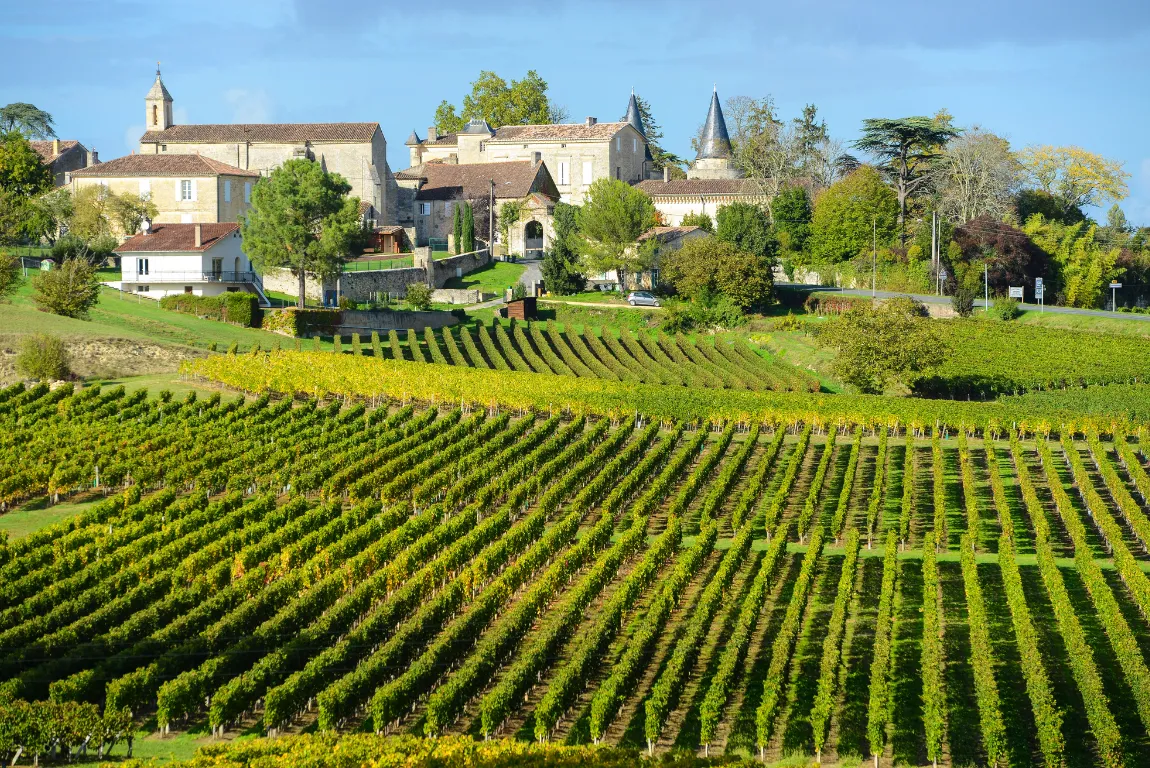
Bordeaux remains one of the world’s most famous wine regions, not only for its wines but also for its landscapes — a tapestry of grand châteaux, ancient stone villages, and vine-covered hills.
Saint-Émilion’s Medieval Landscape
Saint-Émilion is one of the most photogenic wine destinations in France. A UNESCO World Heritage site, its vineyards surround an ancient limestone village with:
- Cobbled streets
- Monolithic churches
- Stone terraces
- Panoramic viewpoints
- Golden light reflecting off historic walls
The vineyards here offer:
- Rolling slopes
- Merlot vines on clay-limestone soil
- Century-old cellars beneath the ground
- Beautiful château estates scattered across the hills
This region offers some of the most atmospheric vineyard photography in the country.
For visitors seeking to explore and photograph Saint-Émilion’s vineyards in depth, guided experiences such as Wine Tours Bordeaux region provide insider access and exceptional viewpoints.
The Majestic Estates of the Médoc
The Left Bank’s Médoc region offers a different kind of beauty — grand, symmetrical, architectural, and imposing.
Here, travellers find:
- Château Margaux, with its neoclassical façade
- Château Pichon Baron’s fairytale turrets
- Château Cos d’Estournel’s exotic design
- Château Lafite Rothschild’s serene terraces
These estates feel sculpted into the landscape and are among the most photographed wine locations in France.
The Médoc offers long rows of perfectly aligned vines, gravel soils glistening under the sun, and some of the most legendary wine architecture in the world.
Pessac-Léognan: Vineyards on the Edge of the City
Just south of Bordeaux city, Pessac-Léognan blends:
- Forest
- Stone châteaux
- Vineyards in geometric patterns
- Contemporary architecture
Château Pape Clément, for example, offers a blend of classic elegance and modern interpretation, creating excellent photographic variety.
Burgundy: Rolling Hills and Ancient Mosaic Vineyards
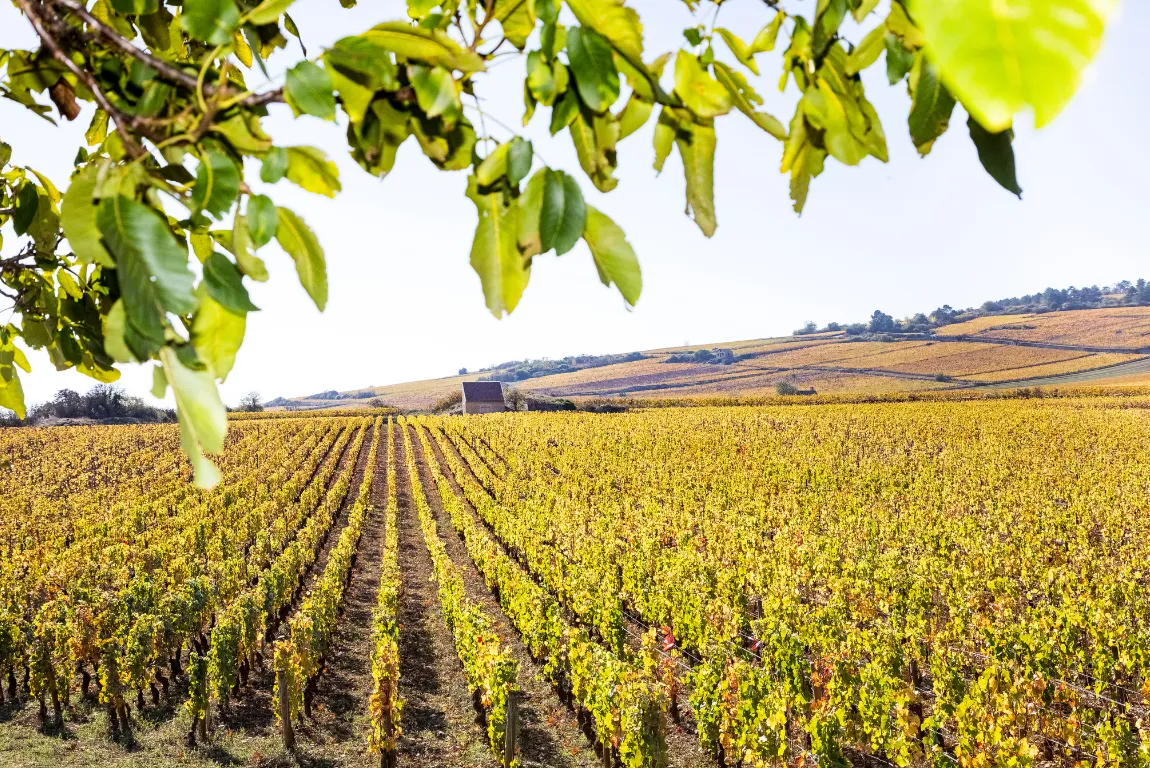
Burgundy’s vineyards provide a softer, more intimate beauty than Bordeaux. The Côte de Beaune and Côte de Nuits offer landscapes shaped like a patchwork quilt, with small parcels of vines separated by stone walls, ancient farmhouses, and winding country roads.
The Côte d’Or
The Côte d’Or — meaning “Golden Slope” — offers stunning photography in autumn when the leaves turn gold. Top locations include:
- Vosne-Romanée
- Gevrey-Chambertin
- Pommard
- Meursault
- Aloxe-Corton
The gentle slopes create perfect lines of vines catching the early morning light.
The Vineyards Around Beaune
This medieval town sits at the heart of Burgundy. The surrounding vineyards give:
- Gentle curves
- Stone cottages
- Rustic charm
- Sunsets across terraced hillsides
These vineyards are ideal for travellers seeking classic French countryside photography.
Champagne: Sculpted Vineyards and Sparkling Landscapes
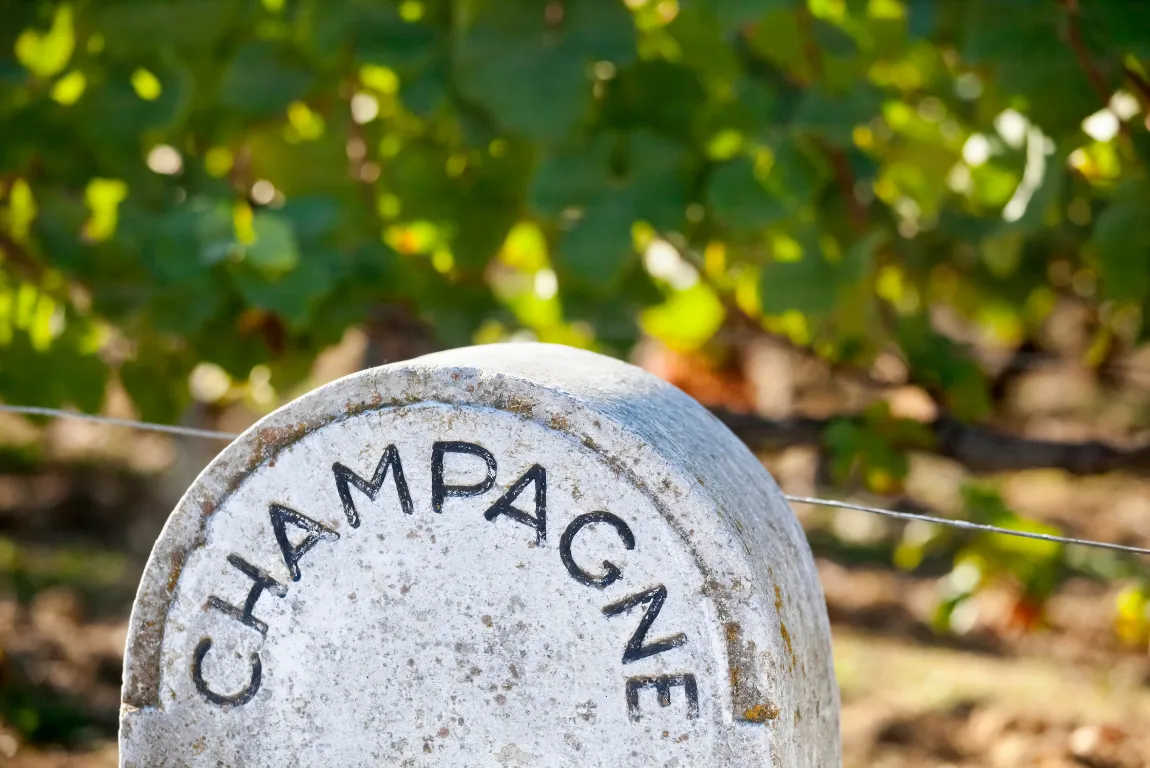
Champagne’s vineyards offer crisp, symmetrical beauty. Situated on chalk hillsides, the region’s photogenic qualities come from:
- Bright green vines
- White chalk soils
- Grand maisons
- Steep slopes near Épernay and Reims
- Perfect morning mists
The Avenue de Champagne
Lined with grand houses, ironwork gates, and manicured vines, it is one of the most photographed wine roads in Europe.
The Montagne de Reims
With its forests, slopes, and layers of vines, this area offers dramatic vineyard landscapes, particularly at sunrise.
Alsace: Storybook Villages Surrounded by Vineyards
Alsace may be the most picturesque wine region in France. It feels like a storybook come to life.
Vineyards Around Riquewihr, Ribeauvillé, and Eguisheim
Here you will find:
- Half-timbered houses
- Flower-filled streets
- Rolling vineyards beneath the Vosges Mountains
- Medieval towers overlooking the valley
The contrast between colourful villages and green vineyards creates stunning photographic opportunities.
Autumn in Alsace
Autumn transforms the vineyards into shades of gold, amber, and rust, making this one of the most striking wine landscapes anywhere in Europe.
Provence: Sunlit Vineyards and Lavender Fields
Provence’s vineyards offer dreamlike photogenic scenes that blend vines with:
- Olive groves
- Lavender fields
- Sunbaked hills
- Blue skies
The Luberon and Ventoux Vineyards
These areas provide warm Mediterranean light and wide-open landscapes.
Les Baux-de-Provence
Rocky cliffs, vineyards, and olive orchards create one of the most dramatic settings in southern France.
Bandol
Terraced vineyards overlooking the Mediterranean Sea offer spectacular coastal photography.
Rhône Valley: Dramatic Slopes and Wild Beauty
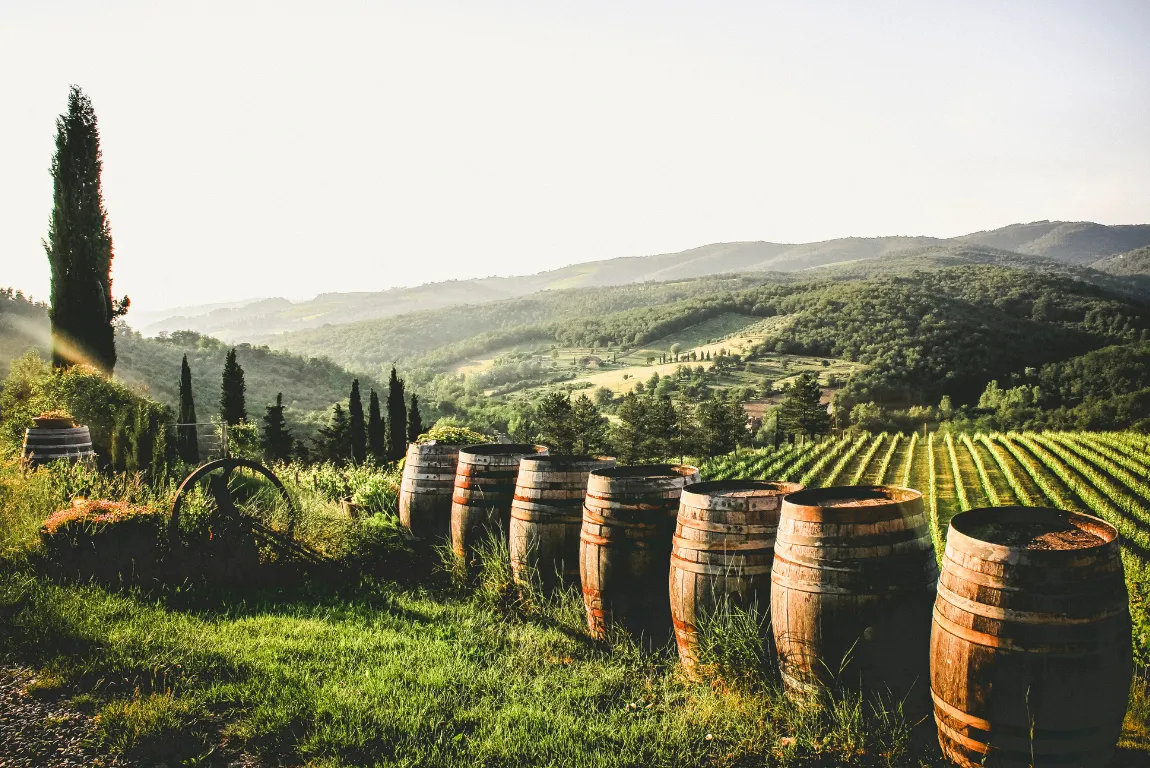
The Rhône Valley offers some of the most dramatic vineyard landscapes in France.
Northern Rhône: Vertical Vineyards
Steep granite terraces in:
- Côte-Rôtie
- Condrieu
- Hermitage
…create bold, powerful scenery.
Southern Rhône: Open Landscapes
Around Châteauneuf-du-Pape, vineyards stretch across stony fields scattered with large galet stones that reflect sunlight — a signature look that is unlike any other region.
Loire Valley: Castles, Rivers, and Vineyards
No region blends wine and architecture as photogenically as the Loire Valley.
The Vineyards Surrounding Château de Chambord or Chenonceau
Vineyards here are influenced by:
- River mist
- Historic châteaux
- Dramatic sunrise light
Villages like Sancerre sit atop hills offering panoramic views over rows of Sauvignon Blanc vines.
Vouvray and Montlouis-sur-Loire
Here, chalk caves and limestone cliffs add atmospheric dimension to vineyard photography.
Southwest France: Rustic Beauty and Authentic Charm
Although less famous globally, Southwest France offers extraordinary hidden vineyard landscapes. For travellers interested in the stories behind these regions, forgotten wine traditions of Southwest France explores the heritage and practices that shaped this part of the country.
Cahors
Vines wrap around the winding Lot River, creating picture-perfect reflections at sunrise and sunset.
Gaillac
One of the oldest wine regions in France, with ancient hilltop vineyards and rustic stone farmhouses.
Bergerac and Monbazillac
Charming valleys, medieval castles, and gentle slopes make these areas popular for vineyard photography.
Corsica: Mediterranean Vines Meeting Crystal Seas
Corsica combines mountains, sea, and vineyards for dramatic photography.
Patrimonio
Terraced vines overlooking turquoise waters.
Figari and Ajaccio
Granite hillsides and wild scenery create bold contrasts.
Tips for Photographing Vineyards in France
Visit During Golden Hour
The hour after sunrise and before sunset provides perfect, soft light.
Capture Lines and Patterns
Vineyards create natural geometric patterns ideal for composition.
Include Architecture
Châteaux, huts, terraces, and cellars add depth.
Use Foreground Elements
Leaves, stones, flowers, and old tools help frame the image.
Visit in Different Seasons
- Spring: vibrant green
- Summer: lush fullness
- Autumn: gold and amber
- Winter: stark beauty of dormant vineyards
Why Bordeaux Remains the Most Iconic Vineyard Landscape
While every region in France has its beauty, Bordeaux offers a rare blend of:
- Architectural grandeur
- Rolling medieval landscapes
- Historic charm
- UNESCO-protected villages
- Coastal light
- River reflections
- Vast estates and intimate family vineyards
Travellers often describe Bordeaux’s vineyards as the heart of French wine photography.
Guided vineyard visits, such as Bordeaux Wine Tours, give photographers access to viewpoints, cellar architecture, and landscapes that casual visitors might miss. For those who enjoy learning how wine styles are valued over time, why some wines get more expensive over time looks at how scarcity, ageing potential, and global demand shape what people seek out and photograph when visiting top estates.
Final Reflections: The Beauty of France Through the Vine
France’s vineyards offer a visual feast for travellers — each region with its own character, colour, and rhythm. From the sculpted slopes of Burgundy to the golden terraces of Saint-Émilion, the wild granite of the Rhône, and the lavender-lined rows of Provence, each landscape reveals a different face of French wine culture.
Photography becomes a way of capturing not just the scenery but the stories and emotions of travel. The vineyards hold centuries of history, craftsmanship, and dedication, and every row tells a part of France’s winemaking heritage.
For travellers eager to explore these landscapes with local insight, curated experiences such as Wine Tours Bordeaux region offer the perfect opportunity to discover, taste, and capture the magic of French vineyard life.
