Château Haut-Brion: Why It Stands Apart in Bordeaux
Among the great names of Bordeaux, Château Haut-Brion occupies a unique position.
It is one of the original First Growths of the 1855 classification — yet unlike the others, it does not sit in the Médoc. Instead, it lies in Graves, closer to the city of Bordeaux itself, in a landscape that feels quieter, less imposing, but no less significant.
This difference is not just geographical.
It defines the wine.
To understand Bordeaux at a deeper level, you have to understand why Haut-Brion exists outside the pattern — and why its wines feel distinct even within the highest tier. If you’ve explored The Bordeaux Wine Regions Explained: How the Region Really Works , you’ll already know that Graves operates differently from the Left Bank appellations further north.
Haut-Brion is the clearest expression of that difference.
To connect this to real vineyard conditions — where gravel soils, proximity to the city, and microclimate combine — experiencing the region directly adds clarity. Walking through vineyards and understanding how these factors shape structure during a structured Saint Emilion Wine Tour highlights how location influences style across Bordeaux.
A Location That Breaks the Pattern
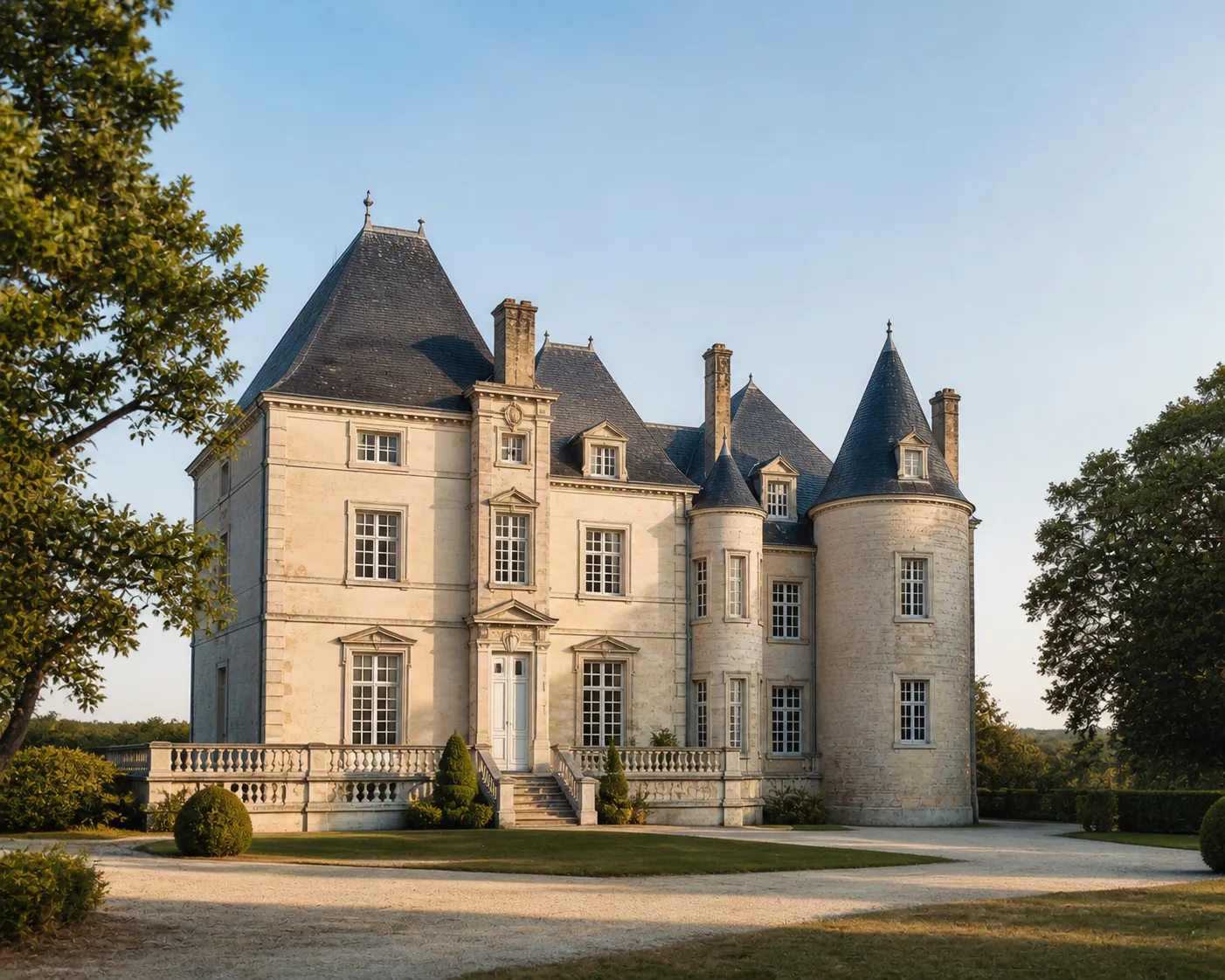
Unlike other First Growths, Haut-Brion is not located in the Médoc.
It sits in Pessac, within the Graves region, on the outskirts of Bordeaux.
This location matters.
Graves soils are defined by gravel — deep, well-draining, and capable of retaining heat. These conditions allow grapes to ripen steadily while preserving balance.
But what makes Haut-Brion particularly interesting is its proximity to the city.
Urban expansion has gradually surrounded the estate, yet the vineyard remains intact — a rare example of continuity in a changing landscape.
The Terroir of Haut-Brion
The terroir of Haut-Brion is built on gravel, but not uniformly.
Within the estate, variations exist:
- deeper gravel sections
- areas with more clay influence
- subtle elevation changes
These variations contribute to complexity in the final wine.
Gravel soils provide:
- excellent drainage
- consistent ripening
- structure
This is why Graves wines often feel both powerful and refined.
The influence of soil on structure is explored in Gravel vs Clay vs Limestone: How Bordeaux Soils Shape Wine Styles , where gravel is closely associated with balance and longevity.
A Different Style of First Growth
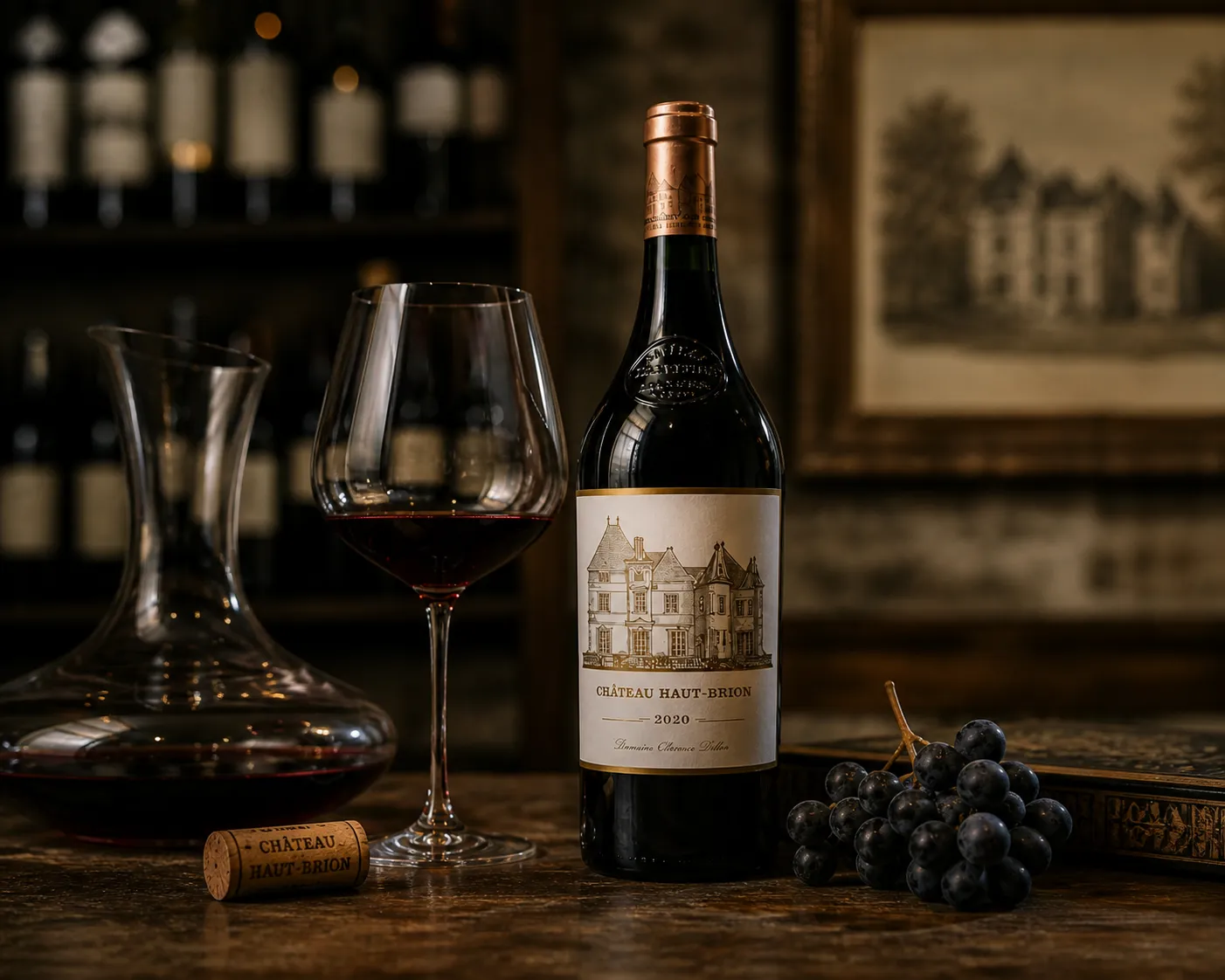
Haut-Brion does not taste like a typical Médoc First Growth.
Wines from regions such as Médoc often emphasise:
- power
- structure
- Cabernet Sauvignon dominance
Haut-Brion, by contrast, tends to show:
- earlier aromatic development
- a more immediate sense of depth
- a distinctive earthy complexity
This is partly due to its blend.
While Cabernet Sauvignon remains important, Merlot plays a significant role, contributing softness and roundness.
The result is a wine that feels both structured and accessible — though still capable of long ageing.
The Historical Importance of Haut-Brion
Haut-Brion’s importance is not limited to its classification.
It is often considered one of the first Bordeaux wines to gain international recognition.
In the 17th century, it was already being exported to England, where it was known for its quality and consistency.
This early reputation helped establish Bordeaux as a global wine region.
Unlike many estates that rose to prominence later, Haut-Brion’s legacy is deeply rooted in history.
The Role of Blending
Like all great Bordeaux wines, Haut-Brion is a blend.
Its composition typically includes:
- Cabernet Sauvignon
- Merlot
- Cabernet Franc
Each component contributes:
- structure
- fruit
- aromatic complexity
Blending is not simply about combining grapes. It is about constructing balance.
This process is explained in How Bordeaux Blends Are Created , where each lot is evaluated for its role in the final wine.
At Haut-Brion, blending reflects both terroir and philosophy.
Red and White Wines
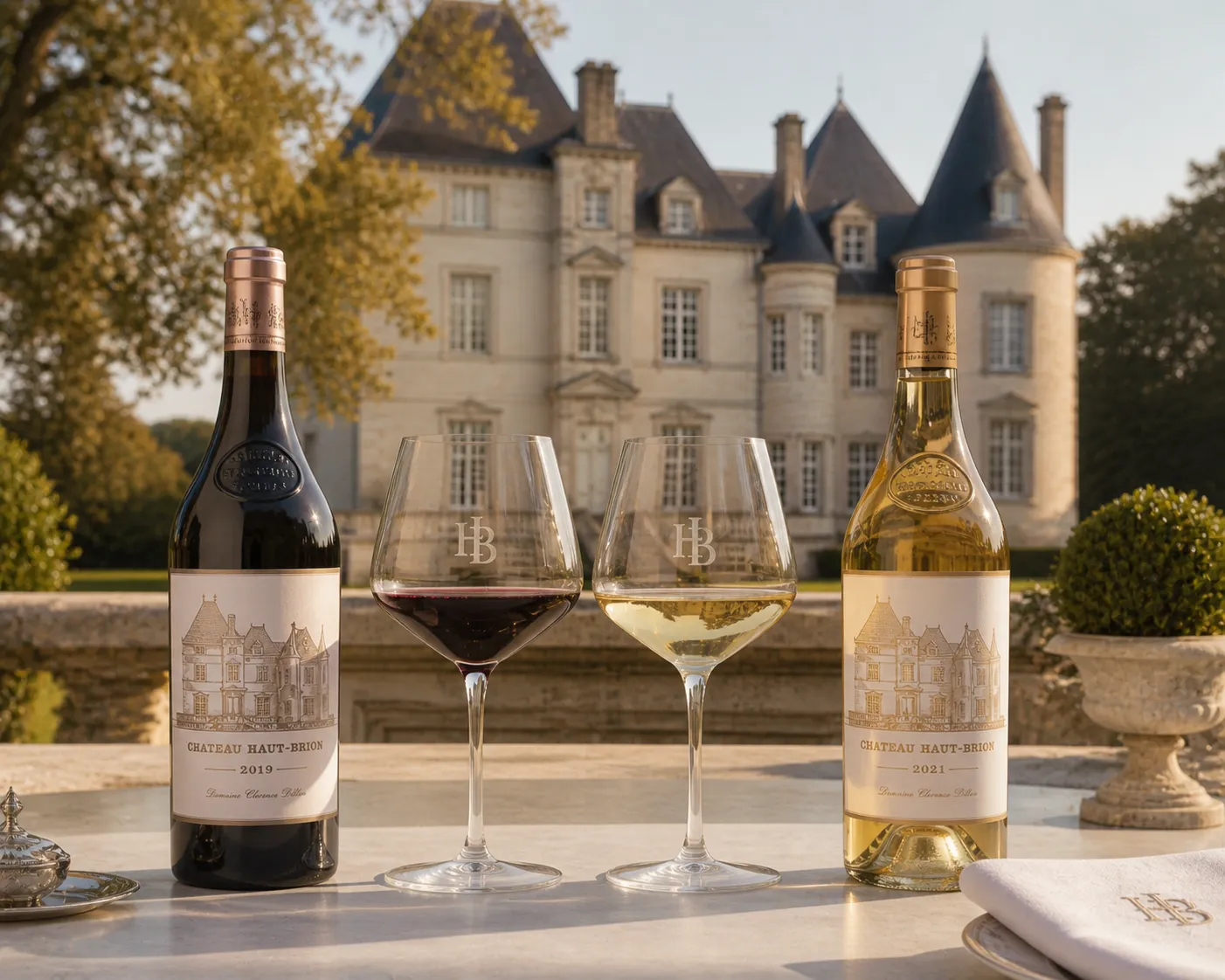
Haut-Brion produces both red and white wines — another distinction from many First Growth estates.
The white wine, made primarily from:
- Sauvignon Blanc
- Sémillon
is considered one of the finest dry white wines in Bordeaux.
This dual production reflects the versatility of Graves terroir, where both red and white wines can reach exceptional levels.
Structure and Ageing
Haut-Brion wines are built to age.
They often begin with:
- firm structure
- integrated tannins
- restrained aromatics
Over time, they develop:
- complexity
- depth
- aromatic nuance
Compared to some Médoc wines, Haut-Brion may feel more expressive earlier — but it still benefits from time.
Understanding this evolution is central to Bordeaux, where wines are designed not just for immediate enjoyment, but for long-term development.
A Style Defined by Balance
What defines Haut-Brion is not intensity alone, but balance.
Its wines rarely feel excessive in any direction.
Instead, they show:
- integration
- harmony
- gradual development
This balance reflects both terroir and winemaking decisions.
It is not imposed. It is constructed.
Experiencing Haut-Brion in Context
Understanding Haut-Brion fully requires context.
It is not just a château — it is part of a system.
Seeing how Graves differs from the Médoc, how soils influence structure, and how blending shapes the final wine provides a clearer picture.
While Haut-Brion itself represents a specific terroir, understanding Bordeaux as a whole — across different regions and styles — helps explain why it stands apart. Exploring vineyard landscapes and observing how structure develops in different conditions through a structured Saint Emilion Wine Tour provides a broader perspective on how terroir shapes identity.
A Closing Reflection
Château Haut-Brion does not follow the typical Bordeaux pattern.
It sits outside the Médoc, closer to the city, shaped by Graves terroir and a long history of recognition.
Its wines reflect this difference.
They are structured but not rigid, expressive but not immediate, complex without being overwhelming.
In a region defined by hierarchy, Haut-Brion stands slightly apart — not outside the system, but not entirely defined by it either.
And that is precisely what makes it one of Bordeaux’s most distinctive wines.
