Harvesting in Saint-Émilion Explained
Every year, as summer slowly fades across the vineyards of Saint-Émilion, the most important moment in the winemaking calendar begins. Harvest season transforms the quiet limestone hills surrounding the medieval village into a landscape of careful activity.
For wine producers in the Bordeaux wine region, harvesting represents far more than simply collecting grapes from the vines. It is the culmination of an entire year of work in the vineyard. From winter pruning to summer canopy management, every decision leads toward this brief but decisive period when grapes must be picked at precisely the right moment.
The timing of harvest determines the balance of the wine. Picking too early may result in wines lacking maturity, while harvesting too late can lead to excessive alcohol or reduced freshness.
This delicate balance is why harvest in Saint-Émilion is guided by constant observation of the vines and the fruit they carry.
Visitors exploring the vineyards during this period often witness a unique energy across the landscape. Vineyard teams move through the rows of vines while tractors transport freshly picked grapes toward the wineries.
Many travellers experience this transformation while visiting the region during a Saint Emilion Wine Tour, where the harvest season reveals how deeply winemaking is connected to the rhythms of the land.
Understanding harvest in Saint-Émilion, therefore, provides a deeper appreciation for the wines produced in this historic appellation.
When the Harvest Begins
The harvest season in Saint-Émilion usually takes place between late September and early October, although the exact timing changes from year to year.
Winemakers closely monitor the grapes throughout the late summer weeks to determine when they have reached optimal ripeness. Several factors influence this decision.
The most important indicators include sugar levels within the grapes, acidity levels, and the development of tannins in the skins and seeds.
These elements determine whether the grapes will produce balanced wines with the right structure and flavour profile.
Weather conditions also play a crucial role. Warm summers can accelerate ripening, while cooler or wetter seasons may delay harvest.
In recent decades, the timing of harvest across Bordeaux has gradually shifted earlier due to warmer growing seasons. This phenomenon is explored in Why Bordeaux Harvest Dates Are Moving Earlier Each Decade, which explains how climate patterns influence vineyard decisions.
Because different vineyard parcels ripen at different speeds, harvest rarely takes place all at once. Instead, vineyards are harvested gradually over several weeks.
Merlot and Cabernet Franc in the Vineyard
The vineyards of Saint-Émilion are planted primarily with Merlot, which typically accounts for the majority of vines across the appellation.
Merlot ripens earlier than other Bordeaux grape varieties, which means it is usually harvested first.
Following Merlot, vineyard teams move on to Cabernet Franc, the second most important grape in the region. Cabernet Franc ripens slightly later and contributes aromatic complexity and structure to the final blend.
Some vineyards also contain small plantings of Cabernet Sauvignon, though this grape plays a smaller role in Saint-Émilion compared with the Left Bank of Bordeaux.
Because each grape variety matures at a different pace, the harvest schedule must be carefully coordinated.
Winemakers monitor each parcel individually, selecting the precise moment when grapes reach their ideal balance.
Hand Harvesting in Saint-Émilion
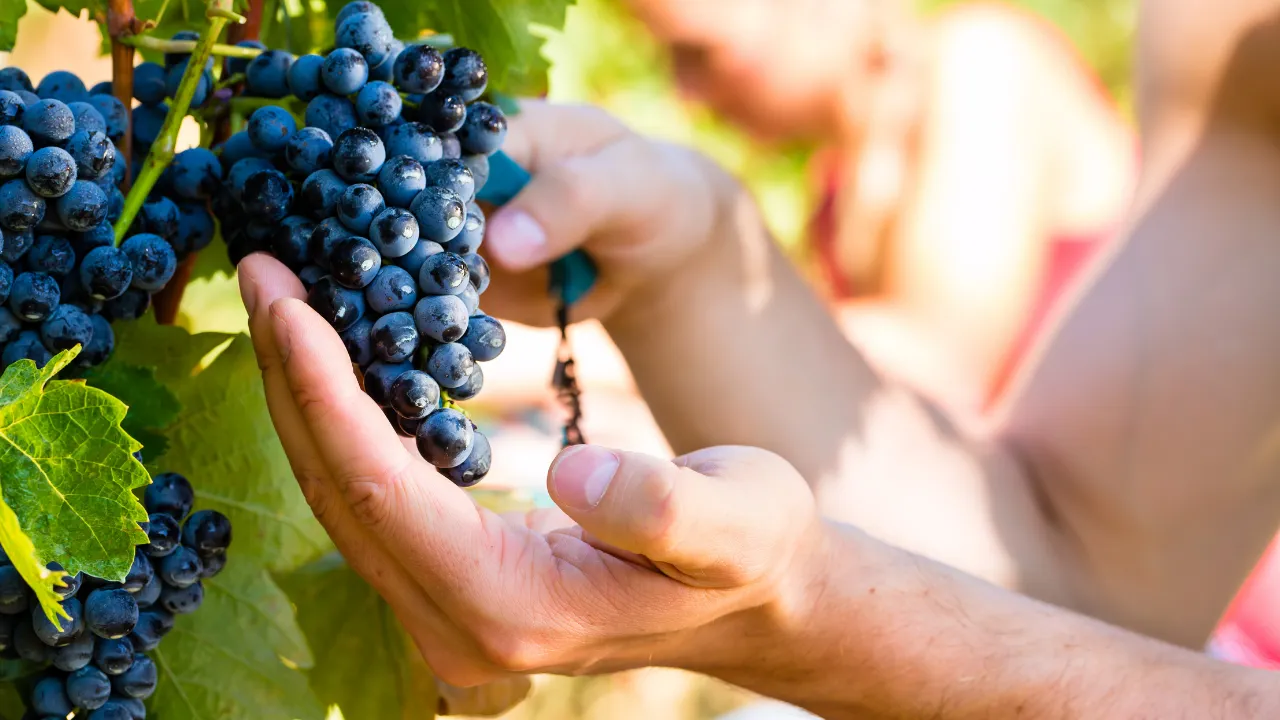
In many vineyards across Saint-Émilion, grapes are still harvested by hand.
Teams of vineyard workers move carefully through the rows carrying baskets or small crates. Using pruning shears, they cut each bunch of grapes from the vine.
Hand harvesting allows workers to examine the fruit closely. Grapes that are damaged, underripe, or affected by disease can be left behind.
This selective approach ensures that only the best fruit reaches the winery.
Hand harvesting also protects the grapes from being crushed before they arrive at the cellar. Maintaining the integrity of the grape skins is essential for producing wines with balanced tannins and colour.
Although mechanical harvesting exists in some parts of Bordeaux, many estates in Saint-Émilion prefer manual harvesting because of the precision it offers.
Sorting the Grapes
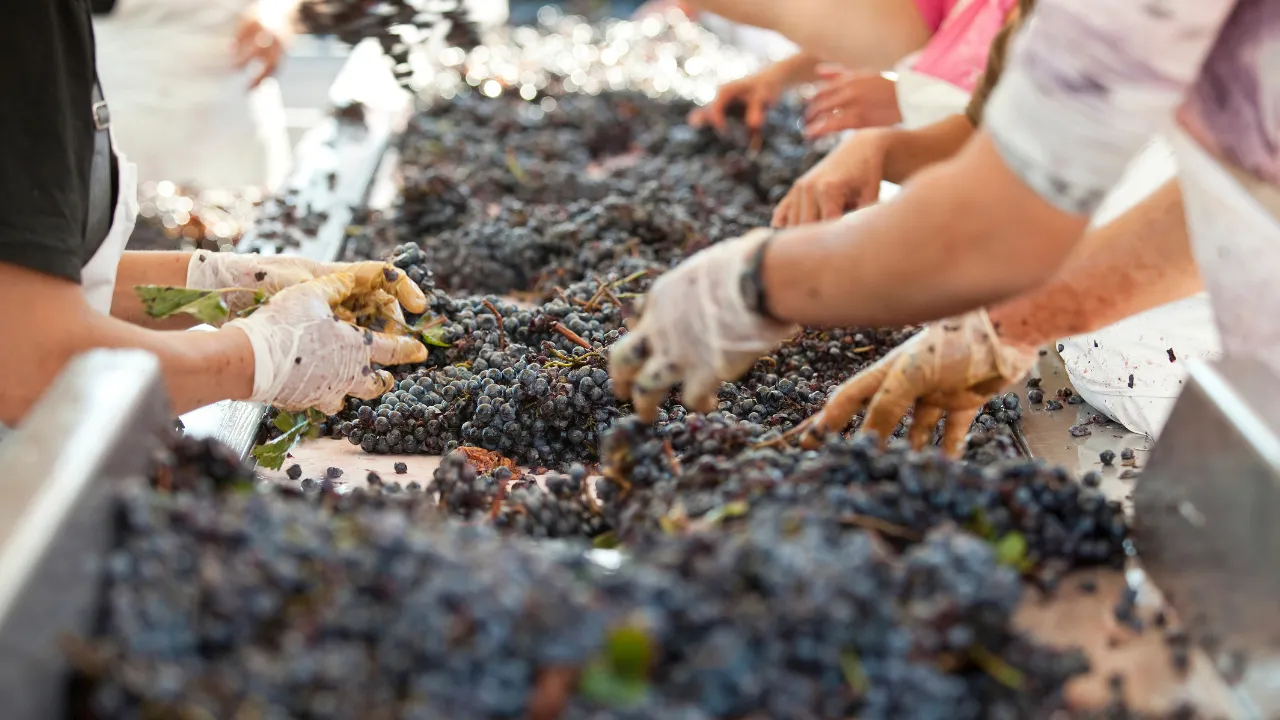
Once the grapes arrive at the winery, they undergo a careful sorting process.
Sorting ensures that only healthy fruit is used for fermentation.
At many estates, grapes pass across sorting tables where workers remove leaves, stems, and imperfect berries. Some wineries also use modern optical sorting machines that scan each grape and remove those that do not meet quality standards.
This stage is particularly important in vintages when weather conditions cause uneven ripening across the vineyard.
Careful sorting improves the consistency and quality of the final wine.
Limestone Soils and Ripening
Harvest timing in Saint-Émilion is closely linked to the region’s geological structure.
The vineyards sit on a limestone plateau that influences how vines grow and how grapes ripen.
Limestone soils regulate water levels and provide consistent drainage. This allows vines to develop deep root systems and helps maintain balance during dry periods.
Clay soils found on slopes and lower elevations retain more moisture, often producing richer fruit expression.
These geological variations mean that different vineyard parcels ripen at slightly different times.
For readers interested in how these soil types influence wine structure across Bordeaux, the subject is explored in Gravel vs Clay vs Limestone: How Bordeaux Soils Shape Wine Styles, which explains the relationship between soil composition and wine character.
The Atmosphere of Harvest Season
During harvest, the peaceful vineyards surrounding Saint-Émilion become filled with activity.
Work often begins early in the morning when temperatures are cooler and grapes remain fresh.
Crates of fruit move steadily from vineyard rows to tractors and trucks waiting at the edge of the vines.
Inside the winery, fermentation tanks are prepared as grapes arrive throughout the day.
The smell of fresh grape juice and fermenting fruit begins to fill the air as the transformation from grape to wine begins.
This atmosphere combines urgency and anticipation. Every decision made during harvest will shape the wine that emerges months later.
Visiting Saint-Émilion During Harvest
For travellers, harvest season offers one of the most fascinating times to explore the vineyards.
The landscape appears alive with movement as vineyard teams work among the vines and winery doors remain open for incoming grapes.
Visitors walking through the village may notice tractors passing through narrow streets carrying freshly harvested fruit toward nearby estates.
Many travellers experience this moment while exploring the region during a Saint Emilion Wine Tour, where vineyard visits and cellar tastings reveal the steps that transform grapes into wine.
Seeing harvest firsthand allows visitors to appreciate the complexity and dedication behind every bottle produced in Saint-Émilion.
Why Harvest Matters
Harvest represents the culmination of an entire year’s work in the vineyard.
Every decision made during the growing season leads toward this moment when grapes must be picked at precisely the right time.
The balance of sugar, acidity, and tannins determined during harvest will ultimately shape the style of the wine.
For this reason, harvest remains the most critical period in the life of a vineyard.
Each autumn, as the limestone hills of Saint-Émilion fill with activity, the cycle of winemaking begins once again — guided by the land, the climate, and the experience of those who cultivate the vines.
Parcel-by-Parcel Harvesting
One of the defining characteristics of harvest in Saint-Émilion is that vineyards are rarely picked all at once. Instead, grapes are harvested parcel by parcel, sometimes even row by row.
A vineyard estate may contain dozens of individual parcels, each planted with vines growing in slightly different soils or exposures to sunlight.
Some vines sit on the limestone plateau, while others grow on clay slopes or sandy soils lower in the valley. These differences influence how quickly grapes ripen.
Winemakers therefore monitor each parcel individually.
When one section of vines reaches the right balance of sugar, acidity, and tannin maturity, it is harvested immediately while neighbouring rows may remain untouched for several more days.
This careful sequencing allows producers to capture the best expression of each vineyard site.
The Importance of Tannin Ripeness
While sugar levels are easy to measure in the vineyard, another factor is equally important when determining the harvest date: tannin ripeness.
Tannins come primarily from grape skins and seeds. They provide structure and ageing potential in red Bordeaux wines.
If grapes are harvested too early, tannins can taste harsh or unripe. Waiting longer allows the tannins to soften and integrate more smoothly into the wine.
Winemakers often taste the grapes directly in the vineyard during the weeks leading up to harvest.
By chewing the skins and seeds, they can judge whether the tannins have reached the right stage of maturity.
This sensory evaluation plays an essential role in deciding when to begin harvesting.
Harvest Teams and Vineyard Organisation
During harvest, vineyards operate with remarkable coordination.
Many estates assemble large harvest teams that may include seasonal workers who return each year. These teams move through the vineyard rows together, harvesting grapes systematically.
Each worker typically carries pruning shears and a basket. Once a basket is filled, the grapes are transferred into larger crates that are transported to the winery.
Communication between vineyard teams and the winery is constant.
Winemakers monitor the arrival of grapes so that fermentation tanks are prepared and ready to receive the fruit as soon as it reaches the cellar.
The entire process must move efficiently to ensure the grapes remain fresh.
The First Moments in the Cellar
When grapes arrive at the winery, the transformation from fruit to wine begins almost immediately.
After sorting, the grapes are transferred into fermentation tanks. These tanks may be made from stainless steel, concrete, or oak depending on the winery’s approach.
Before fermentation begins, grapes are often destemmed, meaning the stems are removed from the bunches. In some cases, winemakers retain a small percentage of stems to add structure to the wine.
The grapes are then gently crushed so that the juice can begin interacting with the skins.
This stage marks the beginning of fermentation, where natural or cultured yeasts convert grape sugars into alcohol.
Fermentation and Extraction
During fermentation, winemakers manage the extraction of colour, tannins, and flavour from the grape skins.
This is done through techniques such as pump-overs or punch-downs, where the fermenting grape skins are mixed back into the juice.
These methods allow the wine to gain structure while preserving balance.
The fermentation process typically lasts several weeks.
After fermentation is complete, the young wine is separated from the skins and transferred into barrels for ageing.
The decisions made during harvest therefore influence every stage that follows.
The Human Element of Harvest
Despite advances in vineyard technology, harvest in Saint-Émilion remains deeply dependent on human judgement.
Winemakers must constantly interpret signals from the vineyard: the taste of the grapes, the texture of the skins, and the forecast for the coming days.
Rain during harvest can dilute flavours or damage fruit, so decisions often involve weighing the risks of waiting versus harvesting immediately.
This combination of science, experience, and instinct is what makes harvest one of the most demanding periods of the year for winemakers.
Harvest and the Landscape of Saint-Émilion
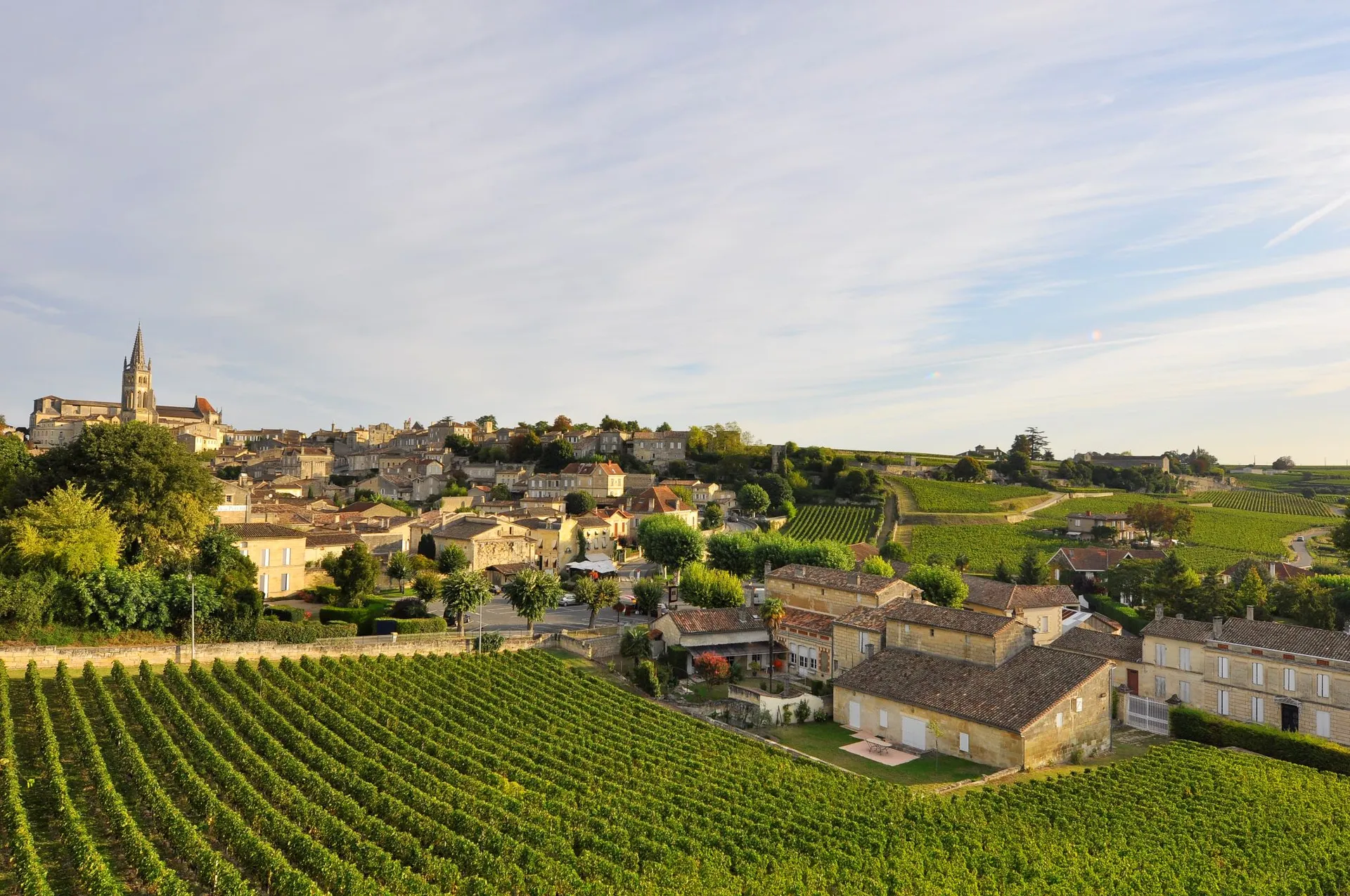
Walking through the vineyards during harvest reveals how closely the wines of Saint-Émilion are connected to the surrounding landscape.
Above the vineyards, the medieval village rises from the limestone hill, its stone buildings reflecting centuries of history.
Visitors exploring the area often pass through the historic centre of Saint-Émilion before continuing into the surrounding vineyards.
The connection between village and vineyard is impossible to ignore.
The same limestone that forms the streets and historic buildings also lies beneath the vines, shaping the wines produced in the region.
Experiencing the Harvest Season
For visitors, witnessing the harvest season offers one of the most authentic experiences of the Bordeaux wine region.
The vineyards become vibrant with activity as workers move through the rows gathering grapes.
Cellars open their doors to incoming fruit, and fermentation begins shortly after the harvest arrives.
Many travellers gain a deeper appreciation of this process while visiting the region during a Saint Emilion Wine Tour, where vineyard visits and cellar tastings reveal how the harvest transforms grapes into wine.
Seeing this moment firsthand often changes how people understand the wines of Saint-Émilion.
The Beginning of a New Vintage
Harvest marks the end of the growing season, but it also represents the beginning of a new vintage.
The grapes collected in autumn will spend months fermenting, ageing in barrels, and gradually developing the flavours that define the final wine.
By the following year, these wines will begin to reveal the character of the vintage — shaped by weather, soil, and the decisions made during harvest.
In this way, harvest is both a conclusion and a beginning.
Each autumn, as vineyard teams move through the limestone hills surrounding Saint-Émilion, the next chapter in the story of Bordeaux wine quietly begins.
