Why Bordeaux Harvest Dates Are Moving Earlier Each Decade

A Changing Harvest in One of the World’s Most Historic Regions

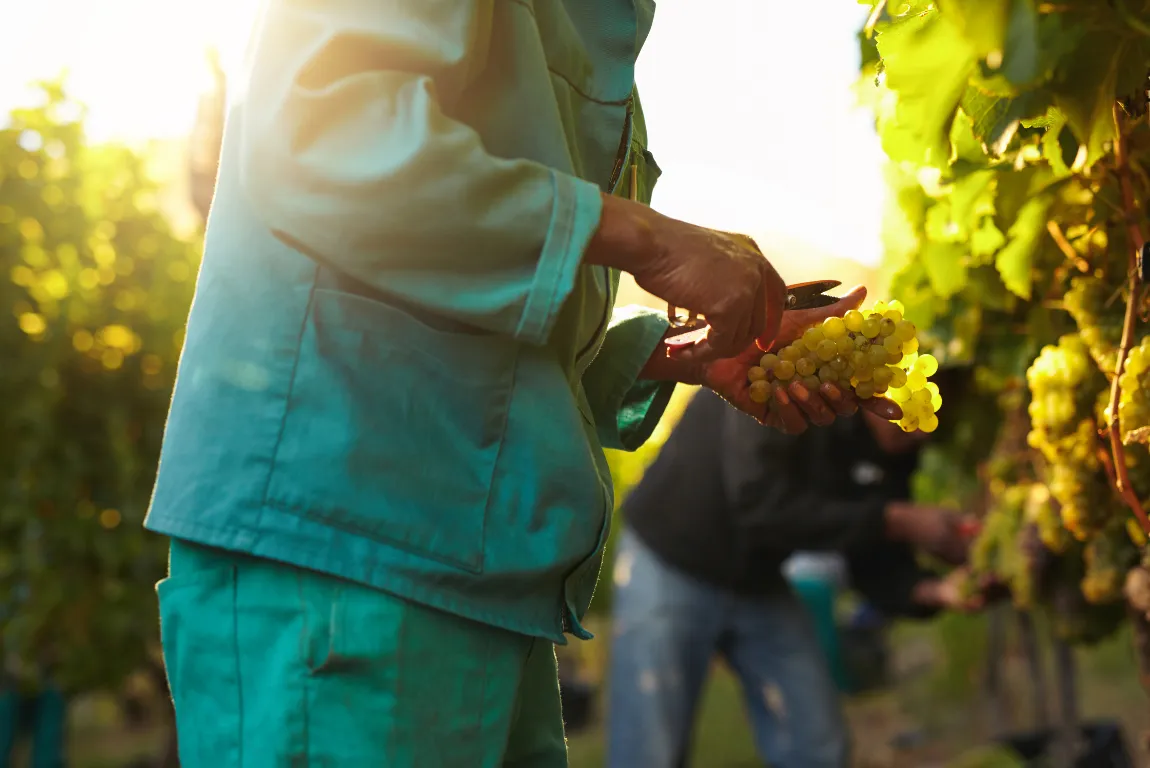
Visitors walking through Bordeaux’s vineyards often picture harvest time — the vendanges — happening in the soft light of early autumn. For centuries, this was the rhythm. Grapes were picked in late September or even early October, following the slow, even ripening that defined the region’s style.

But in recent decades, something has changed. Many Bordeaux estates now begin harvesting in late August or early September — sometimes even earlier. What was once unusual is now increasingly the norm.

This shift has become one of the biggest transformations in the region’s viticultural history. And while climate change is the main driver, the story is more complex than temperature alone. Soil, grape variety, vineyard management, and even local traditions are responding to new pressures.

Travellers visiting Bordeaux today encounter a landscape in transition — adapting, experimenting, and evolving while trying to preserve the balance and identity that have made Bordeaux world-renowned.

This blog explores why harvests are moving earlier each decade, what it means for Bordeaux wine, and how travellers can understand and experience this new chapter in the region’s history.

The Historical Rhythm of Bordeaux Harvests
The Historical Rhythm of Bordeaux Harvests
A Slow, Steady Ripening Cycle

Traditionally, Bordeaux’s grapes ripened slowly across the summer, benefiting from moderate temperatures and Atlantic influence. The region’s classic structure — medium alcohol, fresh acidity, and firm tannins — was a direct result of this slow ripening curve.

For generations, harvest dates were remarkably consistent. Most estates picked:

  • Whites around mid-September

  • Merlot late September

  • Cabernet Sauvignon early to mid-October

Early harvest years existed but were rare, linked to unusual heatwaves or unusual growing seasons.

The Shift Begins

Records from châteaux, weather stations, and growers all point to the same trend: starting in the late 1980s and accelerating from the 2000s onward, harvest dates began creeping earlier. What used to occur once a century now happens regularly.

Some of Bordeaux’s earliest recorded harvests have occurred in the last 15 years — a remarkable sign of how the region’s climate is changing.

What Is Driving the Change?

Rising Temperatures

Average temperatures in Bordeaux have risen steadily for more than 40 years. Warmer springs lead to earlier budbreak; warmer summers push vines to ripen faster. The result is earlier sugar accumulation and earlier harvest readiness.

High-search keywords like “Bordeaux climate change wine”, “earlier harvests Bordeaux”, and “how heat affects wine grapes” reflect growing global interest in these changes.

Greater Frequency of Heatwaves

Heatwaves have become more intense and more frequent. When temperatures exceed 32–35°C repeatedly, vines accelerate phenolic ripening, pushing grapes toward harvest readiness earlier.

For Merlot — the most widely planted grape on the Right Bank — heat has a particularly strong impact.

Warmer Nights

Evening temperatures play a crucial role in grape development. Traditionally, Bordeaux’s cool nights balanced the warm days, slowing ripening. But today, warmer nights mean:

  • Faster sugar accumulation

  • Lower acidity

  • Faster softening of tannins

This combination forces winemakers to pick earlier to preserve balance.

Lower Rainfall in Key Months

Drier summers stress vines earlier, prompting them to concentrate sugars faster. While drought is manageable on clay-heavy soils, gravel and sand warm quickly and require careful management to avoid over-ripeness.

Changes in Atlantic Weather Patterns

The maritime influence that once moderated Bordeaux’s climate is shifting. Weather systems arrive differently; storms are more intense but less frequent; rainfall is less evenly distributed. These changes directly affect ripening.

How Earlier Harvests Affect Grape Varieties

Merlot (Most Impacted)

Merlot is early-ripening by nature. In warm years, it ripens too quickly, risking:

  • Higher sugar levels

  • Higher alcohol

  • Softer structure

  • Less aromatic complexity

On the Right Bank, this has been one of the biggest challenges of the past two decades.

Cabernet Sauvignon

Cabernet ripens later, so warmer summers can benefit it — up to a point. Many Médoc estates now achieve perfect phenolic ripeness more consistently than previous generations. However, extreme heat risks:

  • Loss of freshness

  • Overripe black fruit

  • Heavy tannins

Cabernet still fares better than Merlot in hot years.

Cabernet Franc

Cabernet Franc sits between Merlot and Cabernet Sauvignon in ripening. It responds dramatically to heat and often becomes more aromatic and concentrated, but drought stress can reduce yields.

White Bordeaux Varieties

Sauvignon Blanc and Sémillon also ripen earlier, leading to:

  • Lower acidity

  • Higher alcohol

  • Richer texture

Producers pick earlier to keep whites fresh and lively.

How Soil Influences the Impact of Early Harvests

How Soil Influences the Impact of Early Harvests

Clay Soils (Right Bank)

Clay stays cool and retains water — slowing ripening in hot summers. This is why clay-rich estates in Saint-Émilion and Pomerol are coping better with climate change.

Limestone

Limestone regulates water and naturally cools roots. Wines grown on limestone maintain freshness even in hot years.

Gravel (Left Bank)

Gravel drains well but heats quickly, accelerating ripening in warm years. Médoc winemakers now adapt canopy management to slow the ripening curve.

Sand

Sand warms rapidly and drains quickly, making vines vulnerable during heatwaves.

How Winemakers Are Responding

Harvesting Earlier — Sometimes Much Earlier

In many years, picking early is the best way to protect:

  • Acidity

  • Aromatics

  • Balance

This is why earlier harvest dates have become so common across Bordeaux.

Canopy Shading

Winemakers now leave more leaf canopy to shade grapes from direct sunlight, slowing maturation.

Adjusting Vineyard Density and Orientation

Some estates are replanting vineyards to reduce sun exposure during peak heat.

Switching Rootstocks

Heat- and drought-resistant rootstocks are increasingly planted.

Increasing Cabernet Sauvignon Plantings

On the Right Bank, some estates plant more Cabernet Franc or Cabernet Sauvignon to balance the effects of warming on Merlot.

How Earlier Harvests Are Changing Bordeaux Wine Profiles

How Earlier Harvests Are Changing Bordeaux Wine Profiles

Higher Alcohol Levels

Warmer years push sugar levels higher, which translates into higher alcohol after fermentation.

Riper Fruit Profiles

Wines now show more:

  • Black cherry

  • Blackberry

  • Dark plum

  • Ripe fig

  • Chocolate

Instead of the fresher, red-fruit style traditionally associated with cooler years.

Softer Acidity

Acidity decreases as ripeness accelerates. Producers must harvest early to protect freshness.

More Velvety Tannins

Heat softens tannins, making wines more approachable young — but sometimes reducing their long-term tension.

Greater Vintage Variation

Paradoxically, while Bordeaux has become hotter overall, year-to-year differences now matter more than ever.

What This Means for Travellers Visiting Bordeaux

Timing of Harvest

Visitors arriving in September may now witness active harvesting — something far less common 30 years ago. Vineyards bustle with:

  • Sorting tables

  • Harvesting teams

  • Tractors and grape bins

  • Producers tasting berries hourly

It is one of the most exciting times to visit.

Wine Styles Are Evolving

Travellers tasting across several vintages quickly notice how warmer harvest conditions create richer, fuller-bodied wines.

Tours Are Adapting

Some estates now offer special harvest-season experiences in late August or early September.

Visitors who join Bordeaux wine tasting tours often gain insight into how vineyards adapt to changing growing seasons — a perspective few wine regions can provide so clearly.

How Climate Change Is Shaping Bordeaux’s Future

Experimental Grape Varieties

Bordeaux now allows new varieties such as:

  • Touriga Nacional

  • Marselan

  • Arinarnoa

  • Castets

These adapt well to heat and maintain acidity.

Dynamic Vineyard Management

Producers experiment with:

  • Higher canopies

  • Lower density

  • More organic material in soil

  • Late pruning to delay ripening

A Return to Traditional Methods

Some estates are rediscovering techniques once used before modern technology, including:

  • Horse ploughing

  • Minimal irrigation

  • Grass cover crops

  • Indigenous yeast fermentation

What was old is new again.

What Travellers Can Learn by Tasting Across Vintages

Visitors exploring Bordeaux today have a unique opportunity: tasting through a sequence of vintages that reflect climate change in real time.

Comparing:

  • A cooler year (like 2014 or 2021)

  • A warm, balanced year (like 2016 or 2019)

  • A hot, early-harvest year (like 2018, 2020, 2022)

…reveals how ripeness patterns shift flavour, structure, and ageing potential.

This makes guided tastings invaluable.

For travellers wanting to explore vineyards where picking decisions — often in late August or early September — shape the style and identity of each wine, the best way to appreciate these nuances is through Saint Emilion wine tours led by knowledgeable local hosts.

Final Reflections: A Region in Evolution

Bordeaux is not losing its identity — it is adapting. Earlier harvests reflect a changing climate, but they also demonstrate the resilience, knowledge, and creativity of generations of winemakers. The region continues to produce balanced, elegant, age-worthy wines, even under shifting conditions.

Understanding why harvests are moving earlier each decade allows travellers to see Bordeaux through a different lens — not just as a historic region, but as a living, evolving landscape shaped by climate, tradition, and innovation.

Whether you are walking the limestone plateaus of Saint-Émilion or exploring the gravel rises of the Médoc, today’s Bordeaux offers a compelling story of transition — one that is best experienced firsthand.

No alt text