The Most Expensive Bordeaux Wines of 2025: A Traveller’s Guide to the World’s Finest Bottles
Why Expensive Bordeaux Matters to Visitors
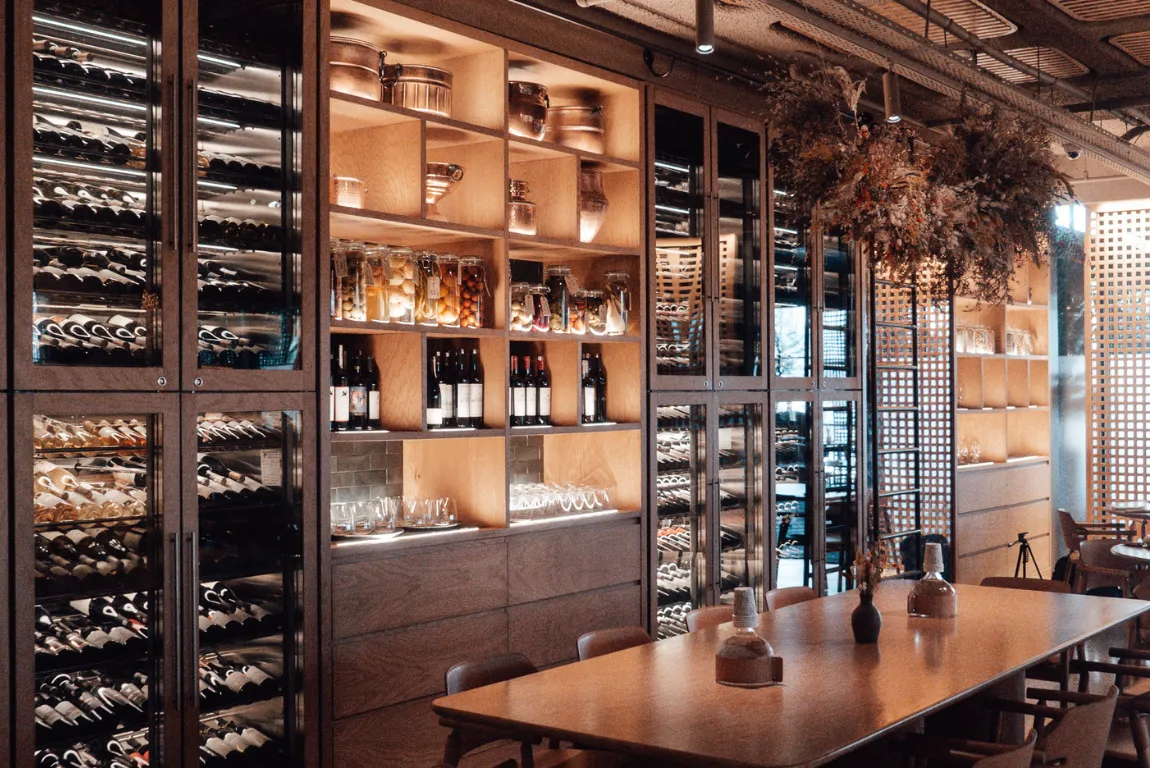
For centuries, Bordeaux has been the world’s benchmark for fine wine. Its names appear on restaurant lists from Paris to New York, its bottles sell for staggering sums at auction, and its châteaux attract travellers who want to step inside the history of wine itself. In 2025, the most expensive Bordeaux wines still hold the same magnetism. They represent not only luxury, but also tradition, terroir, and human craft.
For travellers, understanding these wines adds depth to a visit. You may never open a bottle of Pétrus or Lafite Rothschild during your stay, but walking their vineyards, seeing their cellars, or tasting second wines from the same estates transforms Bordeaux from an abstract name into a lived experience.
Understanding Bordeaux’s Landscape
To understand why certain Bordeaux wines reach extraordinary prices, geography matters.
The Left Bank of the Gironde estuary is dominated by Cabernet Sauvignon and gravel soils. Pauillac, Margaux, Saint-Julien, and Pessac-Léognan are home to most of Bordeaux’s First Growths, wines known for structure, longevity, and international prestige.
The Right Bank, particularly Saint-Émilion and Pomerol, is defined by clay and limestone soils. Merlot and Cabernet Franc dominate here, producing wines that are often richer and more textural. This is where some of the world’s most expensive Bordeaux wines originate.
South of the city, Sauternes stands apart. Morning mists from the Ciron River allow noble rot to develop, producing legendary sweet wines capable of ageing for decades.
A Short History of Prestige
Bordeaux’s price hierarchy is inseparable from its classification systems.
The 1855 Classification, commissioned for Napoleon III, ranked Médoc wines into five growths. Lafite, Latour, Margaux, and Haut-Brion were placed at the top, with Mouton Rothschild elevated in 1973.
Saint-Émilion operates its own classification, updated regularly, historically placing Cheval Blanc and Ausone at the summit. Pomerol has no formal classification, yet Pétrus rose above all systems through reputation alone.
For travellers, these systems act as a map, explaining why certain names command reverence — and extraordinary prices.
Why Bordeaux Wines Can Be So Expensive
Several factors drive Bordeaux prices:
- Reputation built over centuries
- Exceptional vintages declared by critics
- Scarcity and limited production
- Ability to age for decades or longer
For visitors, this explains why even walking past certain estates feels different — these are not just wineries, but global cultural landmarks.
Meeting the Icons: The Most Expensive Bordeaux Wines
Hearing the names of Bordeaux’s great châteaux is unavoidable when travelling in the region. Even without tasting them, understanding their position adds meaning to every vineyard visit.
The Single Most Expensive Bordeaux Château
Château Pétrus (Pomerol) is consistently the most expensive Bordeaux wine in the world.
- Average recent vintages: €4,000–€5,000 per bottle
- Exceptional older vintages: often exceed €10,000
Produced almost entirely from Merlot on rare blue clay soils, Pétrus is made in very small quantities. For most travellers, simply seeing the vineyard is the closest encounter — yet that alone carries weight.
Other Bordeaux Wines at the Very Top of the Market
Le Pin (Pomerol)
Ultra-limited production Merlot with intense concentration.
- €4,500–€5,000 per bottle
Château Lafite Rothschild (Pauillac)
A First Growth synonymous with prestige and elegance.
- €1,200–€2,000 per bottle
Château Latour (Pauillac)
Known for power, longevity, and fortress-like structure.
- €900–€1,500 per bottle
Château Margaux (Margaux)
Celebrated for perfume and finesse.
- €700–€1,400 per bottle
Château Cheval Blanc (Saint-Émilion)
Silky, complex, Cabernet Franc–driven elegance.
- €900–€1,300 per bottle
Château Ausone (Saint-Émilion)
Tiny production from limestone terraces.
- Often priced higher than Cheval Blanc in top vintages
Château Mouton Rothschild (Pauillac)
Bold style with artist-designed labels.
- €850–€1,200 per bottle
Château d’Yquem (Sauternes)
The most famous sweet wine in the world.
- €400–€700 per bottle
Experiencing Luxury as a Visitor
These wines are not only for collectors. Many estates welcome visitors, and second wines often offer access to the same terroir at far lower prices.
Restaurants in Bordeaux and Saint-Émilion increasingly serve prestigious wines by the glass, while wine shops often display rare bottles even if you are only browsing.
A guided experience such as a Saint-Émilion wine tour by electric bike with lunch included allows travellers to move through legendary landscapes while understanding how these wines fit into daily life.
Auctions and Global Spectacle
Bordeaux dominates global wine auctions in London, New York, and Hong Kong. Record-breaking sales of Lafite, Pétrus, and d’Yquem often become talking points locally, reinforcing Bordeaux’s international status.
Balancing Prestige and Discovery
While the icons capture attention, thousands of smaller estates produce authentic wines at accessible prices. Tasting these alongside legendary names reveals Bordeaux’s full spectrum.
This contrast — grandeur beside everyday pleasure — defines the region.
Looking Ahead
Bordeaux continues to evolve. Sustainability, climate adaptation, and new generations of winemakers are shaping the future. You can explore this further in Bordeaux and the Future of Sustainable Wine.
Seasonal traditions also matter. Many of these prestigious bottles appear on festive tables, explored in Bordeaux Wines for Christmas.
Conclusion
The most expensive Bordeaux wines of 2025 are cultural artefacts as much as luxury objects. For travellers, they offer context, history, and meaning — even without purchase.
Bordeaux’s real magic lies in experiencing these names in place: walking the vineyards, understanding the land, and sharing a glass in the village where wine is not spectacle, but life.
Frequently Asked Questions About the Most Expensive Bordeaux Wines
What is the most expensive Bordeaux wine in the world?
Château Pétrus from Pomerol is consistently the most expensive Bordeaux wine, with recent vintages typically priced between €4,000 and €5,000 per bottle. Exceptional older vintages can exceed €10,000.
Are First Growth Bordeaux wines always the most expensive?
No. While First Growths such as Lafite Rothschild, Latour, Margaux, Haut-Brion, and Mouton Rothschild are among the most prestigious, wines from Pomerol and Saint-Émilion, particularly Pétrus, Le Pin, Cheval Blanc, and Ausone, often command higher prices.
Can visitors taste expensive Bordeaux wines without buying a full bottle?
Yes. Many restaurants and wine bars in Bordeaux and Saint-Émilion serve prestigious wines by the glass using preservation systems. Second wines from top estates also offer access to the same terroir at lower prices.
Is it possible to visit the vineyards of the most expensive Bordeaux châteaux?
Some top estates accept visitors by appointment or through guided wine tours. Even when direct visits are restricted, guided tours through the surrounding appellations provide historical and geographical context.
Why are Bordeaux wines so valuable compared to other regions?
Bordeaux wines combine long-established reputation, limited production, strong classification systems, and exceptional ageing potential. These factors, together with global demand, drive long-term value.
