Why Some Wines Get More Expensive Over Time (Simple Economics)
Want to taste age-worthy Bordeaux with clear explanations?
👉 Book a Saint Emilion wine tour with Bordeaux Wine Pilgrim
The mystery behind rising wine prices
Travellers visiting Bordeaux often wonder why some bottles increase in price as they age, while others remain affordable. A wine that sells for €40 on release may cost €120 five years later, €300 after a decade, and far more at auction. Meanwhile, other perfectly enjoyable wines never rise in price at all.
This phenomenon fascinates visitors exploring the region’s cellars and châteaux. Wine, unlike most products, does not simply depreciate after purchase. For certain bottles, time becomes an asset — enhancing not only flavour but also value.
But why? What makes one bottle climb in price while another remains steady?
The answer lies in a blend of simple economics, tradition, scarcity, quality, reputation, and global market behaviour. This long-form guide explains the fundamentals behind rising wine prices in a clear, accessible way — so travellers can appreciate both the taste and the economics behind Bordeaux’s most sought-after wines.
Time as a value creator
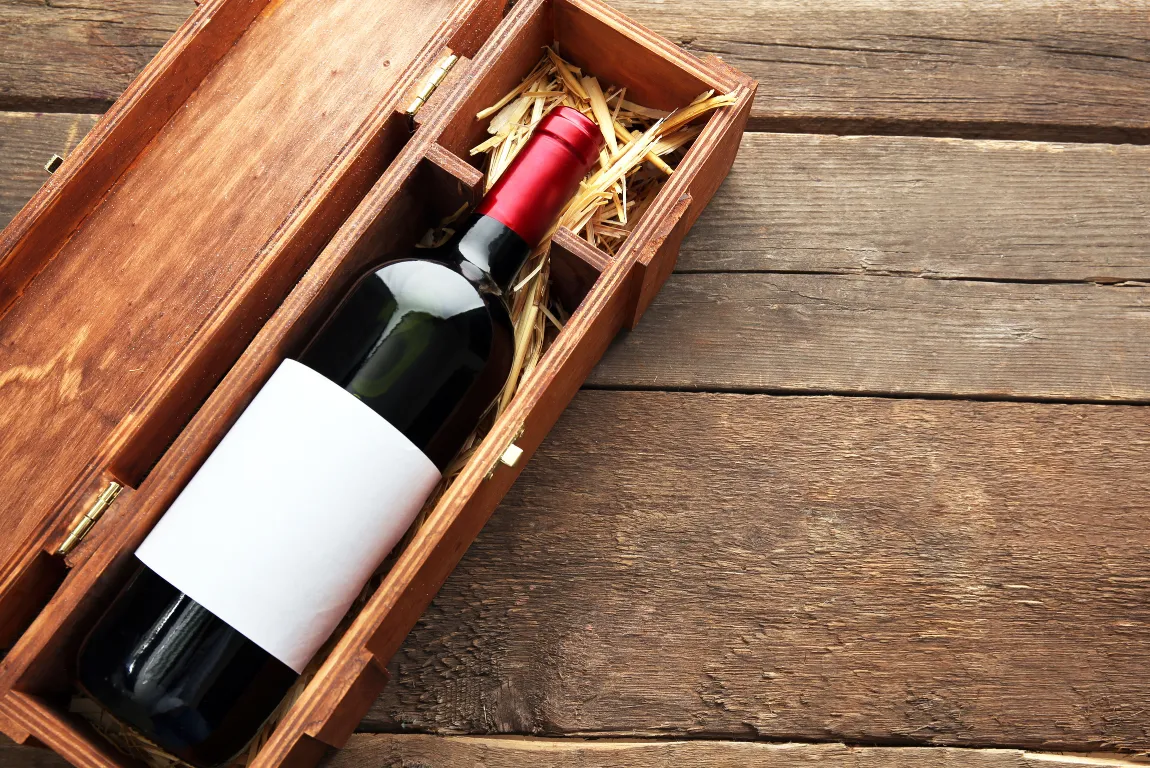
Wine is one of the few consumable products that can improve with age. This improvement creates greater demand for older bottles. As time passes, bottles are opened, stocks shrink, and scarcity increases. This dynamic lies at the heart of wine appreciation and pricing.
Wine is a diminishing asset
Every time someone drinks a bottle, one less exists. Over the years:
- Supply falls
- Quality rises
- Demand stays steady or increases
This creates upward price pressure — a basic economic principle.
Not all wines benefit from age
Only wines with certain characteristics improve over time:
- Firm tannins
- Balanced acidity
- Depth of fruit
- Good structure
Bordeaux, especially from the Left Bank and top Right Bank estates, is famous for producing such wines. If you want a practical overview of styles that often have ageing potential, this guide to Bordeaux reds gives useful context.
Scarcity: the most important factor
Limited production
Even the largest Bordeaux estates have limits:
- Vineyard surface
- Yields regulated by AOC rules
- Annual weather variations
A château cannot decide to produce double the amount of wine one year simply because demand has increased.
Bottles become scarcer every year
Once a vintage is released, no more can be produced. By year 15 or 20, only a small fraction remains — often in private collections.
This makes older bottles more valuable, especially from highly rated vintages.
The role of supply and demand
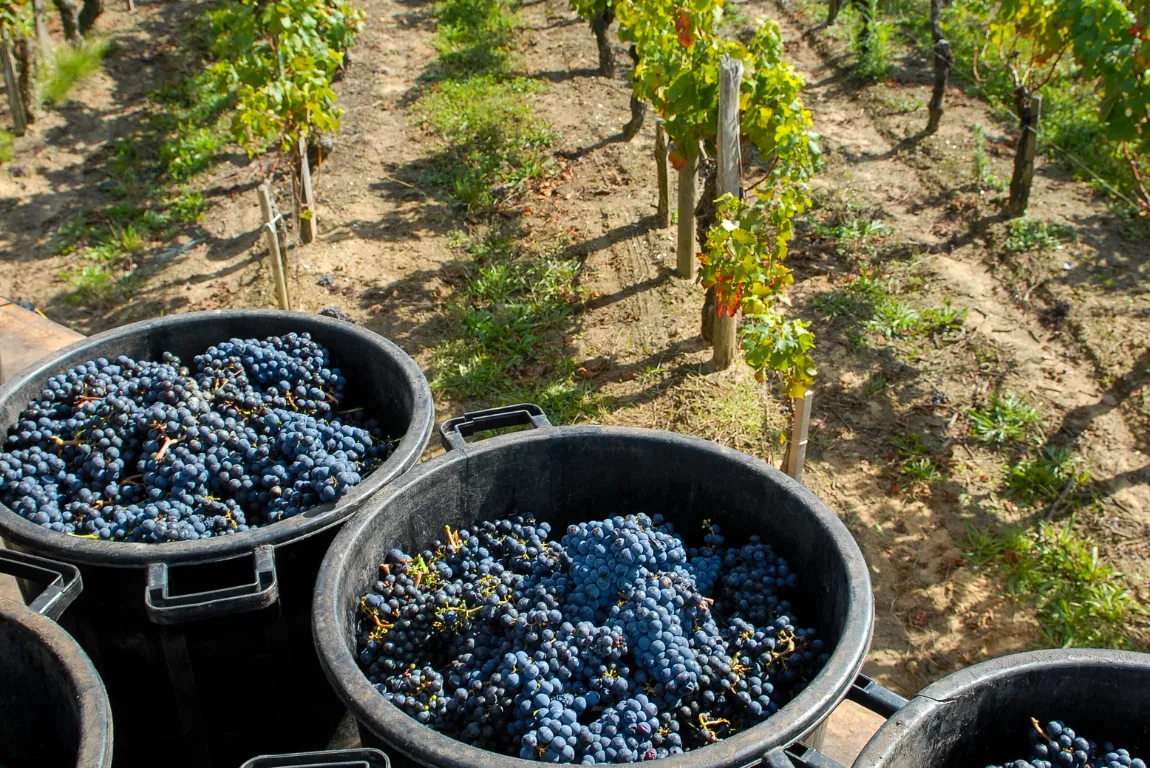
Growing global market
Bordeaux wines are now in demand in:
- Europe
- North America
- China
- Japan
- Singapore
- Hong Kong
- The Middle East
As more markets develop interest in fine wine, demand increases while supply remains fixed or declines.
Strong vintages create surges
Certain vintages create global excitement:
- 1982
- 1990
- 2000
- 2005
- 2009
- 2010
- 2016
- 2019
Wines from such years become more expensive as collectors seek them out.
Reputation drives demand
Names like:
- Château Margaux
- Château Lafite
- Château Cheval Blanc
- Château Ausone
- Château Léoville Las Cases
- Château Figeac
carry prestige that increases demand regardless of annual production.
Ageing potential: why high-quality wines appreciate
Some wines improve dramatically with time
Age-worthy Bordeaux develops:
- Softer tannins
- More complexity
- Earth, truffle, cedar notes
- Longer finishes
- Refined textures
These improvements increase desirability.
Buyers prefer “mature” bottles
Most consumers cannot or do not want to wait ten to twenty years for wine to mature. This creates a market for perfectly aged bottles — and those bottles trade at a premium.
Storage: why proper cellaring adds value
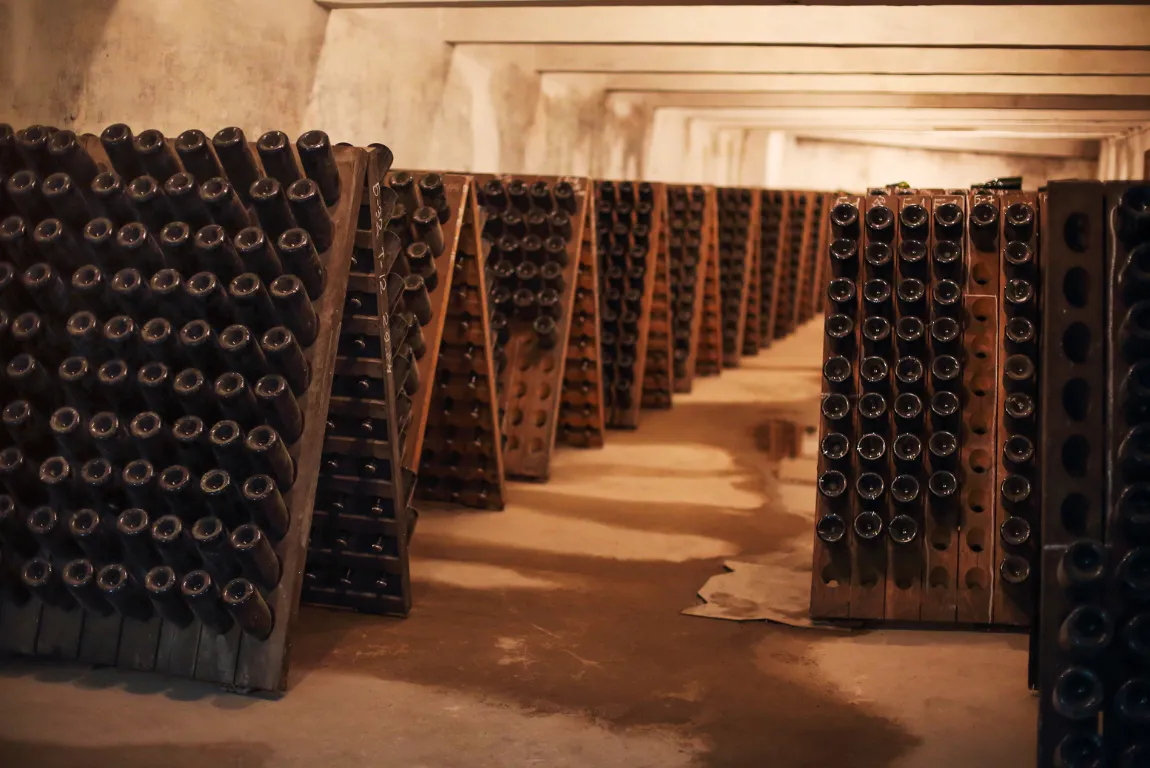
Wines stored correctly gain value
Storage under ideal conditions:
- Constant temperature
- Proper humidity
- Darkness
- No vibration
- Stable environment
…makes aged bottles more valuable.
Wines stored poorly lose value
Exposure to:
- Heat
- Light
- Temperature swings
…destroys ageing potential.
Because ideal storage is costly, bottles stored well become scarcer — adding further value.
Ratings and critical influence
Wine critics can influence prices dramatically
While locals rarely focus on scores, the global fine-wine market listens to:
- Critics
- Journals
- Industry tastemakers
A high rating can:
- Increase demand
- Boost prices immediately
- Create long-term market interest
En Primeur ratings matter
Bordeaux’s En Primeur system allows professional tasters to review wines long before bottling. Strong En Primeur performance increases initial demand.
History and prestige
Legacy matters
Some châteaux have:
- Centuries of history
- Royal connections
- Famous former owners
- Legendary winemakers
Prestige increases perception of quality, influencing demand and price.
Classification systems reinforce value
The 1855 Classification for Médoc and Sauternes and the Saint-Émilion classifications signal consistent quality over time.
Collectors often prioritise classified estates, driving up prices.
Rarity from weather conditions
Difficult vintages create scarcer wines
Some years produce:
- Lower yields
- Smaller berries
- Greater concentration
For example:
- Frost
- Hail
- Drought
- Excess rainfall
The weather affects supply directly.
Millésimes of exceptional quality become collector’s items
Exceptional vintages become more valuable as their reputation grows.
Consumer behaviour and market psychology
The desire for “the best”
Many buyers and collectors seek:
- The best estates
- The best vintages
- The best bottles
This competition contributes to rising prices.
Emotional and cultural value
Wine represents:
- Celebration
- Memory
- Status
- Heritage
These intangible factors influence demand over time.
Investment trends
More people now view fine wine as a stable asset class. Investment drives additional demand for high-quality bottles, raising prices further.
How ageing affects flavour (and why this raises value)
Aged Bordeaux develops extraordinary complexity:
- Truffle
- Tobacco
- Forest floor
- Cedar
- Dried flowers
- Savoury spices
- Polished tannins
These flavours cannot be created artificially. Only time delivers them.
Collectors pay for flavour maturity
A perfectly aged wine provides an experience that simply does not exist in younger bottles.
Provenance: the story behind the bottle
Traceability increases value
Wines with documented origins:
- Château direct purchases
- Estate cellared bottles
- Provenance-certified collections
…sell at higher prices due to guaranteed authenticity and storage.
Price growth over time: a simple example
Imagine a château produces 10,000 bottles of a superb vintage.
Year 1:
- 10,000 bottles exist
Year 5:
- Perhaps 6,000 remain
Year 10:
- Maybe 3,000 remain
Year 20:
- Possibly 500 remain
Demand stays the same or increases.
Supply falls every year.
Price rises naturally.
Why not all wines increase in price
Many wines are made for immediate enjoyment. They lack:
- Structure
- Tannin depth
- Acidity
- Ageing potential
Without the ability to improve over time, prices remain stable.
How travellers can experience wines that age over time
Visitors to Bordeaux often want to taste older wines but do not know where to start. Guided tastings can include:
- Vertical tastings (same wine, different years)
- Young versus mature comparisons
- Left Bank versus Right Bank ageing
These experiences help travellers see firsthand how time changes wine value and character.
Many guests discover this through Saint Emilion wine tours, where experts explain ageing potential across vintages.
Buying wine in Bordeaux: what to know
Pricing at the château
Buying directly from the winery is ideal for:
- Provenance
- Authenticity
- Storage confidence
Shipping home
Most wineries offer international shipping with proper packaging.
How to choose wines that will appreciate
Look for:
- Strong years
- High acidity
- High tannin
- Balanced alcohol
- Good critic scores (if relevant to you)
- Excellent storage conditions
If you want a practical way to judge bottles when shopping, this guide on how to read Bordeaux wine labels helps you identify classification terms, appellations, and château details quickly.
Why wine appreciation is not just about money
While some wines appreciate significantly, value is not the only reason people love aged bottles.
Wines carry:
- Memories
- Milestones
- Stories
- Cultural significance
Travellers often purchase bottles to open years later as a reminder of their time in Bordeaux.
Exploring wine value, ageing potential, and terroir through curated experiences such as Bordeaux wine tasting tours helps visitors appreciate the tradition and craftsmanship behind each bottle.
Time changes everything
Wine is a living product — as time passes, its flavours deepen, its tannins soften, and its aroma evolves. But time also changes its value. Scarcity increases, demand grows, and history unfolds in every unopened bottle.
Understanding why some wines become more expensive over time helps travellers appreciate the deeper story behind Bordeaux. It reveals how craftsmanship, vintage conditions, global markets, and ageing potential shape both taste and economics.
Whether you are building a cellar, exploring Bordeaux’s vineyards, or simply curious about the reasons behind price differences, learning about wine’s relationship with time enhances every tasting.
Further reading on Bordeaux value and prestige
Some of the bottles that appreciate the most are the ones collectors chase globally. If you are curious about the market’s peak prices, read the most expensive Bordeaux wines of 2025.
If you want to build a clearer understanding of styles before buying, tasting, or cellaring, this overview of Bordeaux reds is a useful next step.
Ready to turn theory into tasting?
👉 Book a Saint Emilion wine tour with Bordeaux Wine Pilgrim
