Old Vines vs Young Vines: How Age Changes Wine Flavour
Why Vine Age Matters More Than Most People Think
Travellers visiting Bordeaux often focus on grape varieties, appellations, or famous châteaux. Yet one of the most influential factors in shaping wine flavour hides in plain sight: the age of the vine. A vineyard planted fifty years ago produces grapes fundamentally different from those planted ten years ago, even in identical soil, climate, and conditions.
This difference explains why certain wines carry depth, tension, and energy that younger vineyards struggle to match. Understanding vine age reveals a hidden layer of Bordeaux’s identity — a layer that transforms the same grape variety into dramatically different expressions.
Across the region, from the clay-limestone slopes of Saint-Émilion to the gravel banks of the Médoc, vine age influences everything: concentration, tannin quality, ripeness, natural balance, and the final taste of the wine. This blog explains how and why vine age matters, helping travellers appreciate what they taste in a deeper, more meaningful way.
The Life Cycle of a Vine: From Youth to Maturity
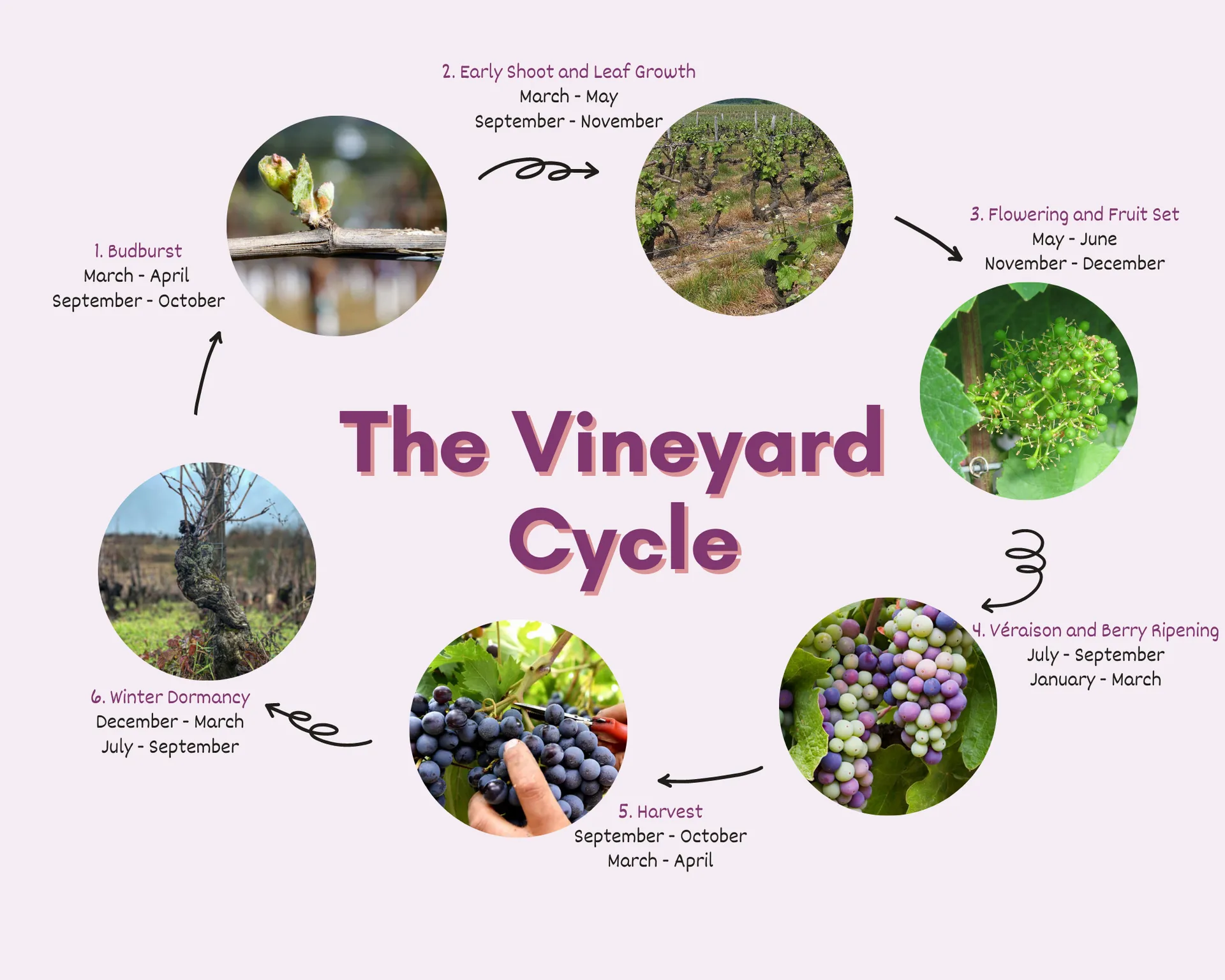
Young Vines (0–10 years)
Young vines focus their energy on growing leaves, shoots, and the canopy. Their root systems are shallow, reaching only the top layers of soil. This gives young vines:
- High vigour
- Bright, fresh fruit
- Lower concentration
- Softer structure
- Higher yields
Their wines often taste fruit-driven, vibrant, and accessible. While charming, they rarely possess the complexity needed for long ageing.
Mature Vines (10–30 years)
As vines mature, their vigour decreases. They become more balanced, sending energy into fruit production rather than foliage. Roots deepen into subsoils, reaching minerals, nutrients, and water reserves. Mature vines are considered the ideal balance of:
- Consistent yields
- Good concentration
- Balanced structure
- Depth of flavour
Most Bordeaux vineyards reach their peak quality during this phase.
Old Vines (30–120+ years)
The term “old vines” is approximate — there is no legal definition. But in Bordeaux, vines older than 30–40 years are commonly treated as old vines.
Older vines produce:
- Very low yields
- Small, thick-skinned berries
- Higher tannin concentration
- Natural acidity retention
- Deep, layered flavour
Old vines interact strongly with their terroir, offering flavours impossible to replicate with young vines.
Wines from old vines often display intensity, depth, minerality, and age-worthiness — qualities prized by collectors and enthusiasts.
Why Old Vines Produce More Complex Wines
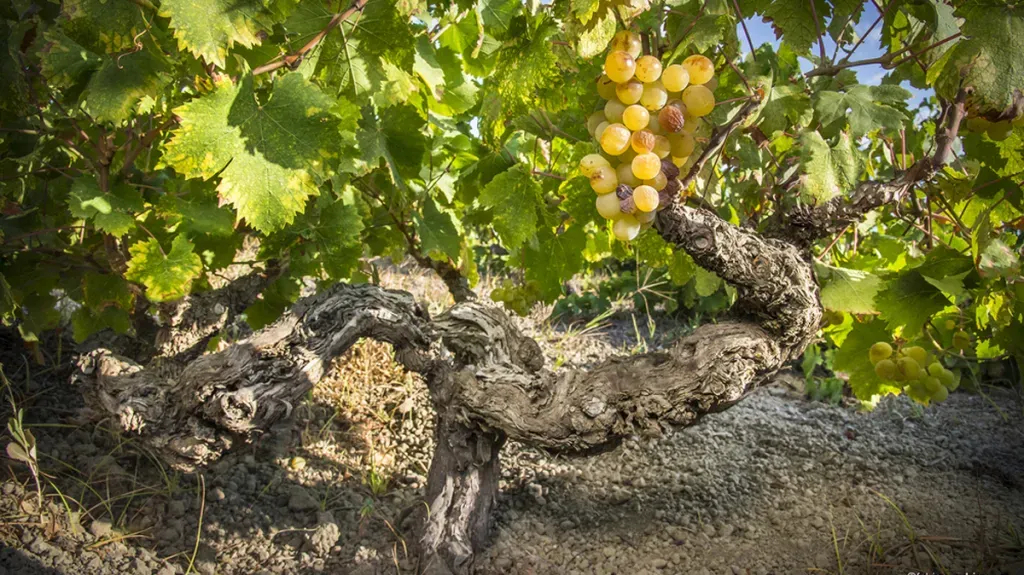
Deep Root Systems
The older the vine, the deeper its roots. Mature vines can reach layers of soil untouched by younger plants:
- Ancient clay
- Limestone
- Gravel
- Iron-rich subsoils
- Mineral deposits
These layers influence flavour. Deep roots also access water during drought, allowing old vines to remain stable in hot vintages. How vineyards respond to heat and drought is becoming increasingly relevant, as explored in the 2025 French wine harvest.
Lower Yields = More Concentration
Old vines naturally produce fewer grapes. What they lack in quantity, they deliver in quality. Fewer clusters mean energy is focused into fewer berries, creating:
- Darker colour
- Richer texture
- More intense flavours
- Better tannin structure
This connection between low yield and quality is the backbone of many great Bordeaux wines.
Balanced Growth
Old vines regulate themselves. Their growth is measured, controlled, and harmonious. They rarely produce excessive foliage or excessive fruit. This balance translates directly into the wine’s structure.
Natural Stress
Old vines experience a kind of useful stress, producing grapes with higher flavour concentration and complexity. Young vines, by contrast, often produce fruit that is too generous, too juicy, too simple.
How Old Vines Influence Wine Flavour
Depth and Complexity
Old vines produce wines with multiple layers of flavour:
- Blackcurrant
- Plum
- Fig
- Liquorice
- Truffle
- Earth
- Cedar
- Violet
- Mineral tones
These flavours unfold gradually across the palate.
Texture and Tannins
Old-vine wines often have:
- Firmer tannins
- Smoother integration
- Greater tension
- Longer finishes
This structural quality explains why old-vine wines often age for decades.
Aromatic Nuance
Aromas from old vines tend to be more refined:
- Dried flowers
- Forest leaf
- Spice
- Graphite
- Cocoa
- Tobacco
These layers emerge more distinctly than in wines from younger vines.
How Young Vines Influence Wine Flavour
Brightness and Energy
Young vines bring vibrant fruit:
- Raspberry
- Red cherry
- Fresh plum
- Strawberry
- Floral lift
These flavours are charming but lack the layers that come with deep-rooted maturity.
Softer Tannins
Young-vine wines have supple, easy tannins — ideal for early drinking but not for cellaring.
Fresh Acidity
Because young vines often produce more fruit, the wines feel fresh and lively. This makes them enjoyable soon after bottling.
Less Terroir Expression
Young vines have shallow root systems. They do not reach deep soils or mineral layers, so their wines express less of the vineyard’s identity.
The Role of Vine Age in Bordeaux’s Terroirs
Saint-Émilion
Clay-limestone slopes are home to many of Bordeaux’s oldest vines. These soils preserve water and create tension. Old vines here produce wines with:
- Profound depth
- Velvet tannins
- Floral aromatics
- Impressive longevity
Young vines from this area are charming but cannot match the textural richness of older vineyards.
Pomerol
Pomerol’s famous blue clay supports some of the region’s oldest and most revered Merlot vines. Old vines produce wines with:
- Dense black fruit
- Silky depth
- Earthy minerality
- Tremendous age-worthiness
Young vines here still produce excellent wines but lack the density and magic of old vineyards.
Médoc
Cabernet Sauvignon thrives on gravel soils. Old vines deepen their roots into stone layers, producing wines with:
- Firm structure
- Cassis
- Graphite
- Cedar
- Long ageing potential
Young Cabernet on gravel is lifted and charming but lacks authority.
Why Old Vine Wines Taste More “Complete”
Harmony Between Fruit, Structure, and Acidity
Old vines naturally balance:
- Acidity
- Tannins
- Alcohol
- Flavour concentration
This harmony is what collectors describe as “completeness.”
Slow, Stable Ripening
Old vines handle heat and drought better. They ripen evenly, producing consistent quality even in challenging vintages.
Better Ageing Potential
Because old-vine wines have stronger tannin structure and deeper fruit, they age longer and more gracefully.
Why Young Vine Wines Are Still Important
Early Drinking Pleasure
Not all wines need decades in the cellar. Young-vine wines are ideal for travellers who want to enjoy something delicious now.
Fresh, Fruit-Forward Style
Many visitors to Bordeaux appreciate the charm and brightness of wines crafted from younger vines.
Approachability
Young-vine wines are often soft, smooth, and perfect for those starting their wine journey.
How Winemakers Use Old and Young Vines Together
Blending for Balance
Many châteaux blend fruit from both young and old vines to achieve:
- Complexity
- Freshness
- Structure
- Approachability
Old Vines in Grand Vins, Young Vines in Second Wines
This is common practice:
- Grand Vin: older vines, deeper structure
- Second Wine: younger vines, easy-drinking profile
How Travellers Can Taste the Difference in Bordeaux
Understanding vine age is fascinating, but nothing compares to tasting the difference in the vineyard itself. Many wineries in Saint-Émilion, Pomerol, and the Médoc offer side-by-side comparisons of wines made from old and young vines.
A guided experience is the best way to appreciate these nuances:
- Walk the vineyards
- Touch the soil
- See the vine trunks — thick, twisted, ancient
- Taste barrel samples from different parcels
- Compare the structure of wines from varying vine ages
These insights deepen your appreciation for Bordeaux’s terroir and craftsmanship.
For a close-up look at terroir, vine age, and Bordeaux traditions, check out The Secret Life of Merlot and Bordeaux Reds.
Experience Bordeaux with Bordeaux Wine Pilgrim — book your Bordeaux wine tour today for an unforgettable journey through the vineyards, right bank estates, and the secrets of old and young vines.
